EV Chargers & Electrification
More Baltimore-area homeowners are adding EV chargers, heat pumps, and other electric equipment to homes that were wired decades ago. This hub brings together our guidance on Level 2 charging, panel capacity, and planning for the electrical demands of an electrified home.
Electrification covers more than just plugging in a car charger. It touches your panel's total capacity, the condition of your existing wiring, and how much additional load your home can safely carry. A Level 2 EV charger on a dedicated circuit is usually the first step for most homeowners, but it's worth understanding how that circuit fits into the bigger picture before work begins. The articles and service pages below walk through what matters at each stage.
What this topic covers
Level 2 EV Charging at Home
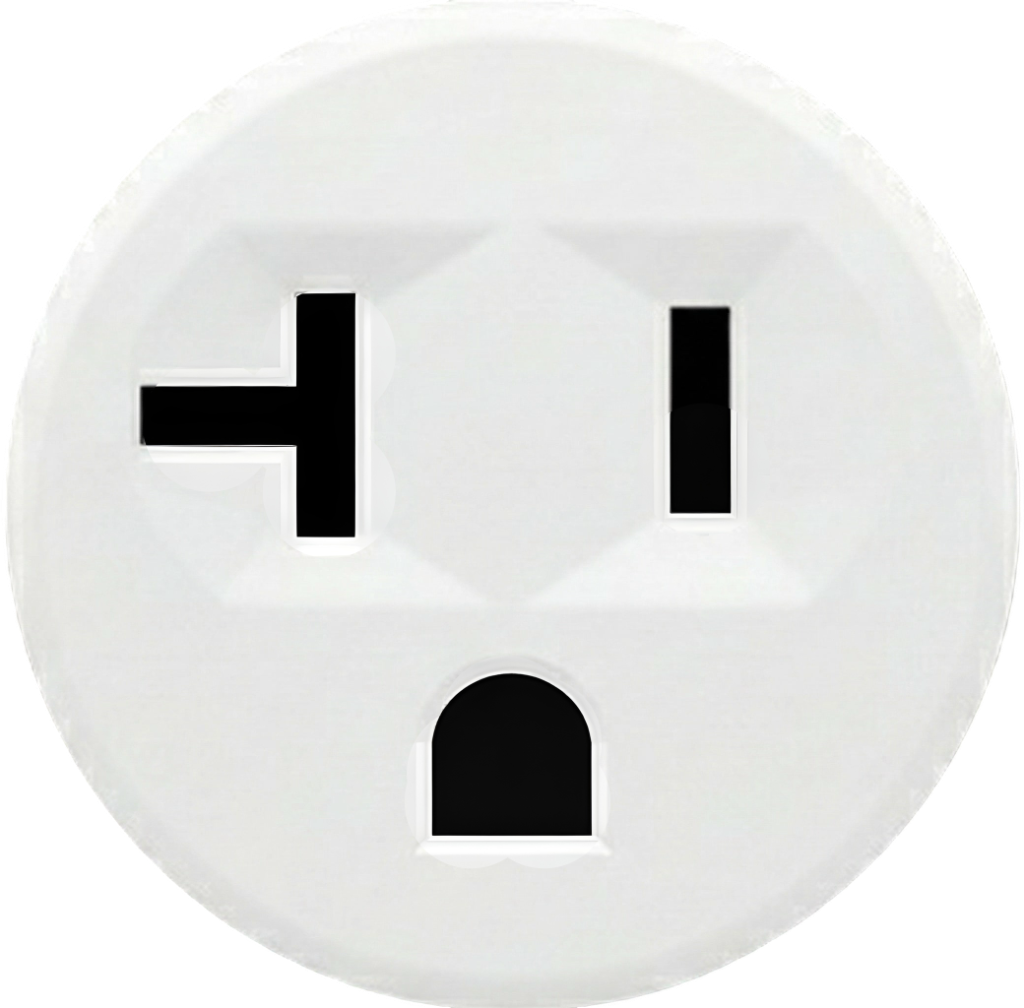
A Level 2 charger runs on a 240-volt circuit and charges significantly faster than a standard wall outlet. Most Baltimore-area homes can support one, but the right amperage and circuit type depend on your panel's available capacity and the charger model you choose. We size the circuit to the equipment and to your home's actual electrical conditions rather than a generic estimate.
Panel Capacity and EV Charger Loads
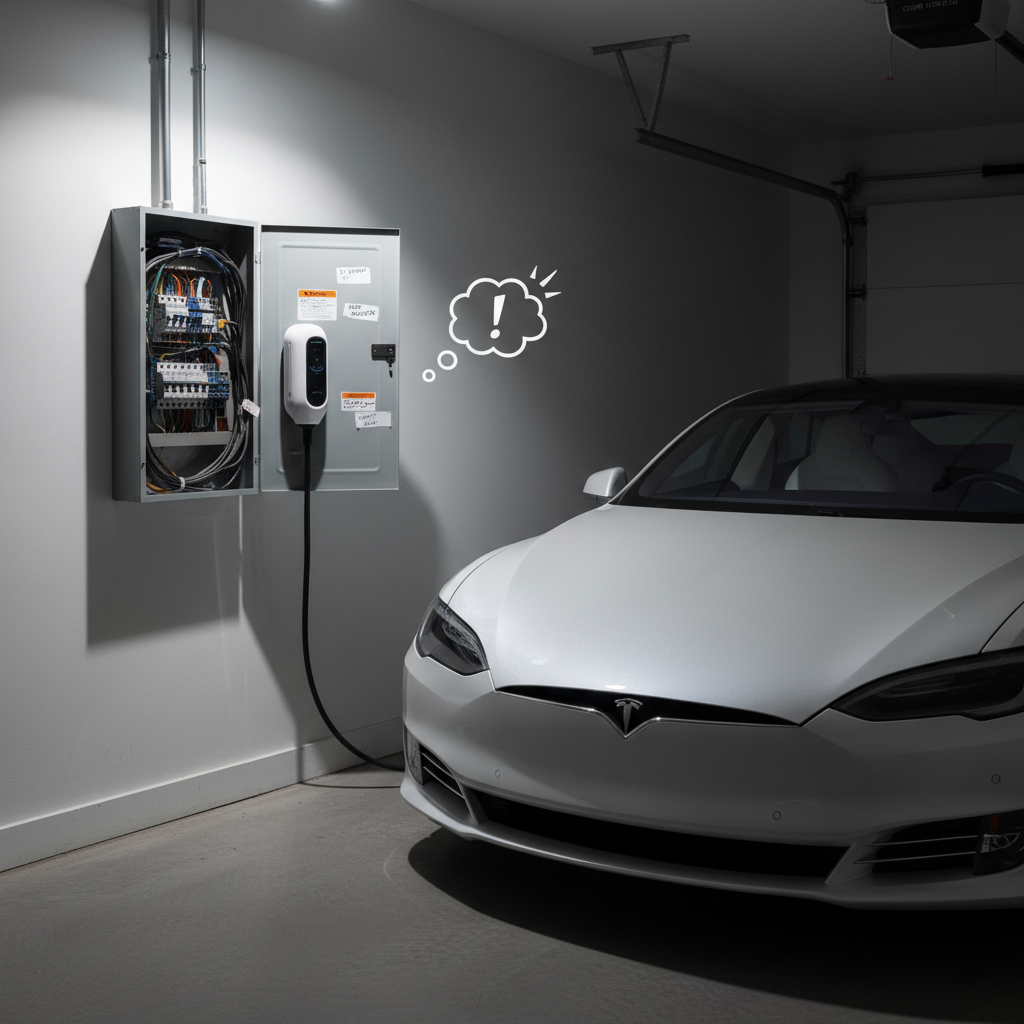
Before adding a charger, it's worth knowing how much room your panel actually has. Our article, Bidding Blind Spots: EV Charger Loads, looks at why panel capacity gets overlooked in quick estimates and what that can mean for your installation timeline and cost. It's a useful read before you get quotes.
Dedicated Circuits for EV Chargers
EV chargers need their own dedicated circuit, sized and protected according to the charger's requirements and the National Electrical Code. This isn't a project for extending an existing outlet or splitting a circuit that already serves other equipment. A dedicated circuit protects both the charger and the rest of your home's wiring.
Planning for Home Electrification
Many homeowners are also looking at heat pumps, induction cooktops, or battery storage alongside an EV charger. Each of these adds load to a system that may already be near capacity. Thinking through electrification as a whole, rather than one appliance at a time, usually leads to a cleaner and more cost-effective plan.
Future Electrical Demand
Homes built before modern electrification trends often have panels sized for the appliances of their era, not today's. If you're planning to add an EV charger now and other electric equipment later, it's worth discussing your long-term plans with your electrician so the current work doesn't need to be redone.
EV Charging Safety Basics
A properly installed EV charger circuit includes correct wire gauge, breaker sizing, and, where required, GFCI protection. Installation should always be done by a licensed electrician familiar with Maryland code requirements and your utility's service specifications.
Frequently asked questions
Do I need a permit to install an EV charger in Baltimore?
Most EV charger installations that involve a new dedicated circuit require an electrical permit and inspection. We handle permitting as part of the installation process.
Can my current panel handle an EV charger?
It depends on your panel's total capacity and what's already connected to it. We evaluate your panel's existing load before recommending a charger size or circuit type.
Is a panel upgrade always necessary for an EV charger?
Not always. Some homes have enough spare capacity for a Level 2 charger without any panel changes. Others need a panel upgrade or load management device. This is determined during an on-site evaluation, not a phone estimate.
How long does EV charger installation typically take?
A straightforward installation with adequate existing capacity can often be completed in a single visit. If a panel upgrade is needed, the timeline extends to accommodate permitting and additional work.
Should I install the charger myself to save money?
EV charger circuits involve 240-volt wiring and panel-level connections that should only be handled by a licensed electrician. This protects your home, your charger, and your warranty coverage.