Electrical Safety & Recalls
Electrical safety issues range from recalled consumer products to outdated panel brands still wired into older Baltimore homes. This hub gathers what we've verified through CPSC listings, manufacturer notices, and our own fieldwork so you can tell the difference between a minor nuisance and something that needs attention now.
Baltimore's housing stock spans everything from prewar rowhomes to 1960s-70s suburban builds, which means a wide range of electrical equipment is still in service. Some of that equipment, particularly certain panel brands and older consumer devices, has documented safety issues that are worth understanding even if nothing in your home has failed yet. This page links to our detailed articles on specific hazards along with the service pages we offer for inspection and replacement work. If you're unsure whether something in your home is affected, our licensed electricians can take a look and give you a straight answer.
Articles in this topic

Cupcakes and Cashmere Floor Lamp Recall: What to Know
Designs Direct has recalled Cupcakes and Cashmere three-light floor lamps over fire and burn hazards. Here's how to check your lamp and what to do next.
Read more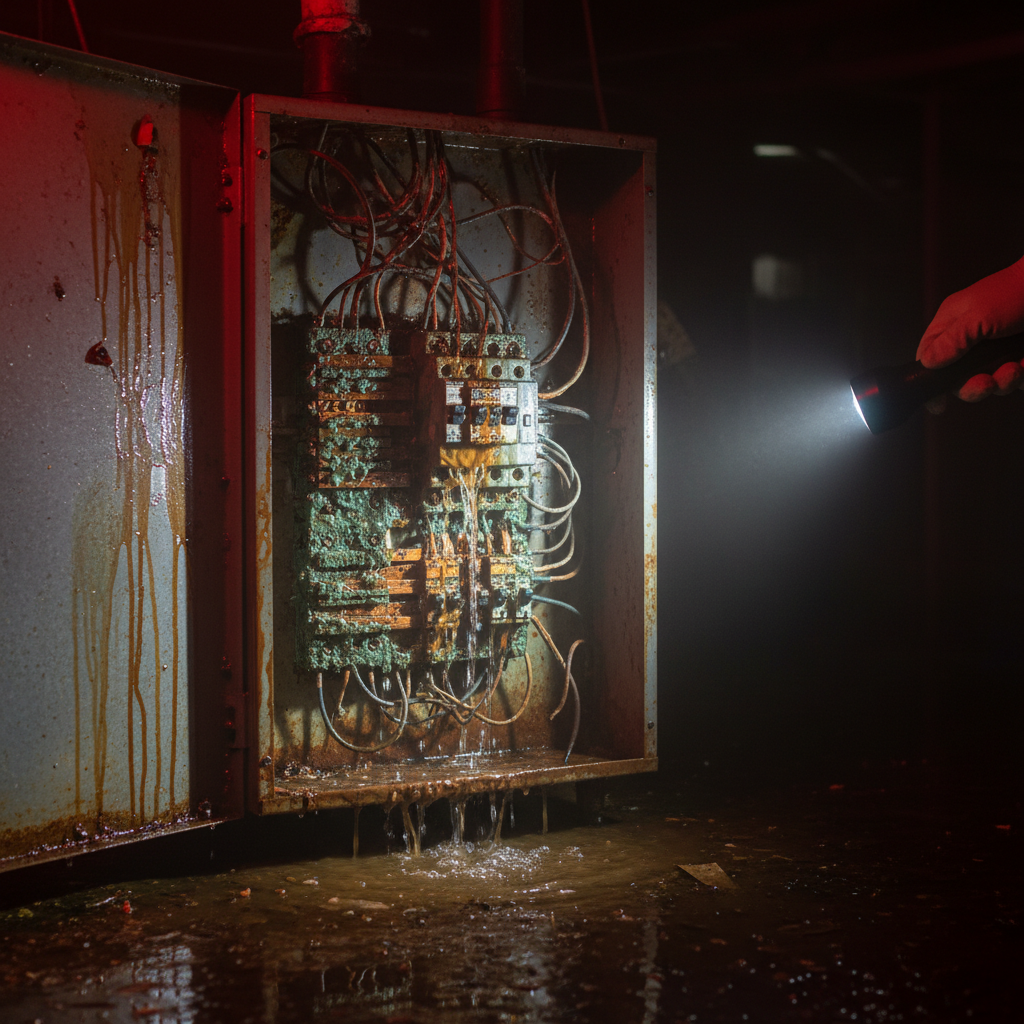
Trench Lore: Water Infiltration in Panels
Why is there water dripping inside your main breaker box?
Read more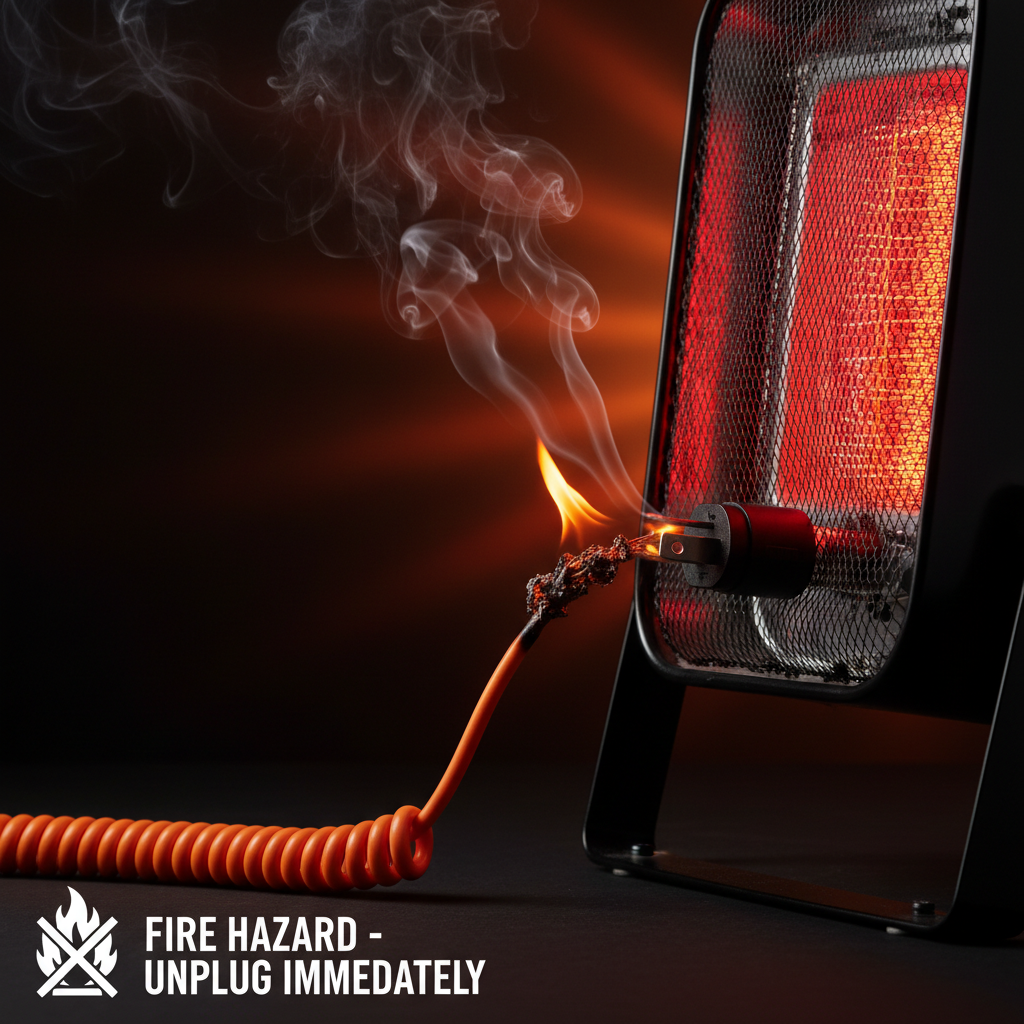
Dark Patterns: Extension Cord Hazards
Are you making the winter heating mistake that causes electrical fires?
Read more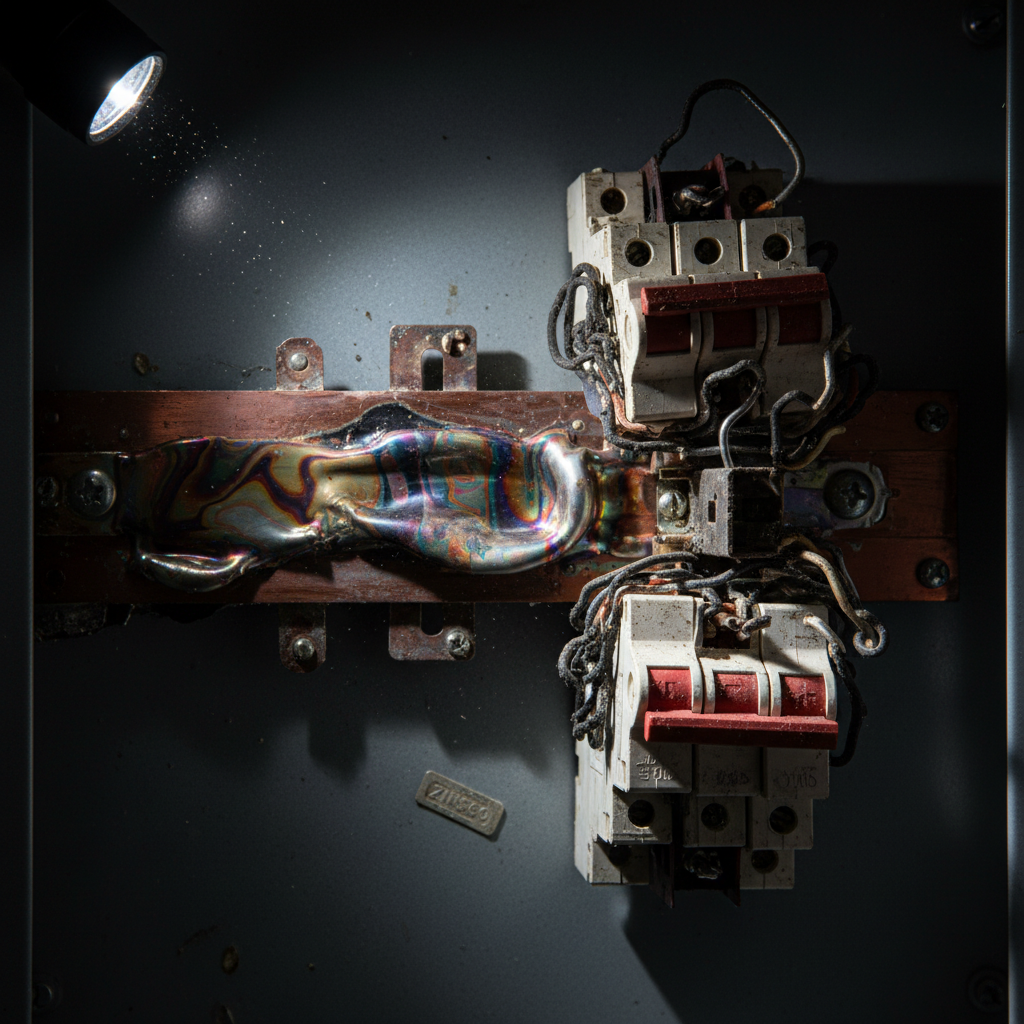
Historical Redactions: Zinsco Panels
Is the banned electrical panel from the 1970s still lurking in your home?
Read more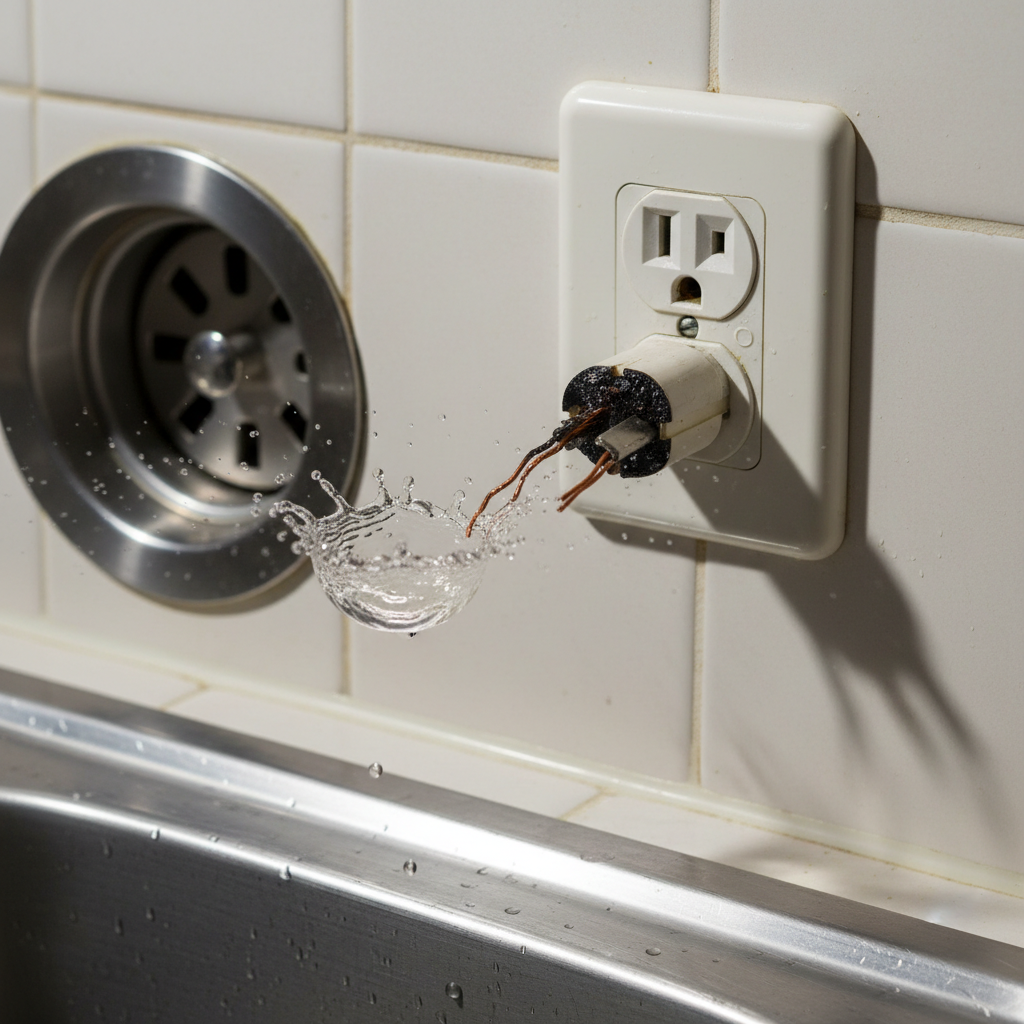
Grandfathered Workarounds: GFCI Protection
Is your kitchen actually safe from water, or are you relying on a dangerous technicality?
Read more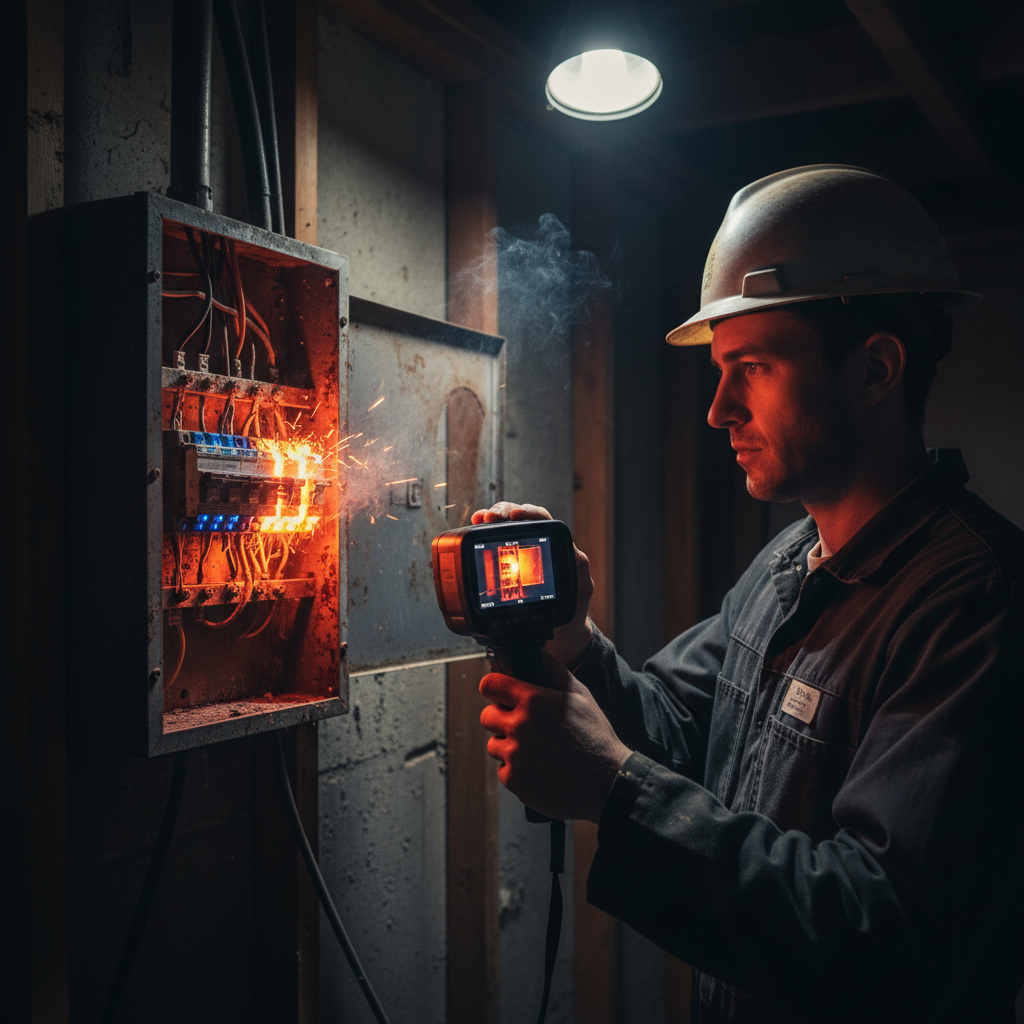
Forensic Breakdown: Federal Pacific Panels
Is your electrical panel a hidden fire hazard waiting to ignite?
Read moreWhat this topic covers
Panel Brands with Known Issues
Three panel brands come up often in Baltimore-area homes: Federal Pacific Stab-Lok, Zinsco, and Challenger. Each has documented breaker performance problems that can prevent a breaker from tripping when it should, which undermines the panel's basic safety function. We've written detailed breakdowns on Federal Pacific panels (/articles/federal-pacific-panel-fire-hazard) and Zinsco panel replacement in Baltimore (/articles/zinsco-panel-replacement-baltimore) if you want to understand what to look for and why replacement is usually the right call. If your home was built or last rewired before 1990, it's worth checking your panel's label against these brands.
GFCI Protection Gaps
Ground-fault circuit interrupter (GFCI) protection is required in kitchens, bathrooms, garages, and other areas prone to moisture, but many older homes were wired before these code requirements existed and have never been updated. Our article on GFCI protection in kitchens and bathrooms (/articles/gfci-protection-kitchen-bathroom-code) covers where protection is required, what it actually does, and how to recognize whether your home has gaps. This is one of the more affordable safety upgrades available and doesn't require rewiring an entire space.
Extension Cords and Space Heaters
Extension cords and space heaters are two of the most common fire-risk combinations we see, especially when cords are run under rugs, daisy-chained together, or used to power heaters they weren't rated for. Our piece on extension cord and space heater hazards (/articles/extension-cord-space-heater-fire-hazard) walks through the specific patterns that cause overheating and how to use both safely during Baltimore winters.
Water Intrusion in Panels and Equipment
Water and electrical panels don't mix, and Baltimore's older basements and rowhome foundations see their share of seepage, flooding, and humidity. If you've noticed moisture, rust, or corrosion near your panel, treat it as urgent. Our guide on water infiltration in electrical panels (/articles/water-in-electrical-panel-emergency) explains what to do immediately and when to shut off power versus waiting for a professional.
Recalled Chargers, Batteries, and Smart-Home Devices
The CPSC regularly issues recalls for phone chargers, battery packs, power strips, and smart-home devices due to fire or shock hazards tied to specific manufacturing defects. These recalls are usually tied to a specific model or date code, not an entire product category, so it's worth checking the CPSC recall database by brand and model number rather than assuming an entire class of device is unsafe. We keep an eye on recalls relevant to the devices we commonly see in Baltimore homes and can advise if something you own is affected.
When to Call for an Inspection
Not every safety question requires an emergency visit, but some do. Warm outlet covers, breakers that won't reset, flickering lights tied to a specific circuit, or any burning smell near your panel are reasons to call promptly rather than wait. For panel brand concerns or suspected code gaps, a licensed electrician can do a full inspection and give you a clear, written assessment of what needs attention and what can wait.
Frequently asked questions
How do I know if my panel is a Federal Pacific or Zinsco panel?
Check the label on the inside of your panel door, which usually lists the manufacturer name. If the label is missing or hard to read, or if your home was built between the 1950s and 1980s and you're unsure, a licensed electrician can identify the panel brand during a quick inspection.
Are all recalled chargers and power strips dangerous?
No. CPSC recalls typically apply to specific models, batches, or date codes, not entire product lines. Check the exact model number on your device against the CPSC recall listing before assuming it needs to be replaced.
Is GFCI protection required in every Baltimore home?
Current code requires GFCI protection in kitchens, bathrooms, garages, and other damp or exterior locations, but older homes wired before these requirements existed aren't automatically required to be upgraded unless you're doing renovation work in that area. Adding GFCI protection proactively is still a reasonable safety step.
What should I do if I find water near my electrical panel?
Don't touch the panel or anything near it. If you can safely do so without contact with water, shut off power at the main breaker or call your utility to cut power at the meter, then contact a licensed electrician. See our full guide on water in electrical panels for more detail.
Do I need to replace my entire panel if it's a Federal Pacific or Zinsco brand?
In most cases, yes. These brands have documented breaker reliability issues that aren't fixed by replacing individual breakers, since the problem is tied to the panel's bus bar and breaker design. Full panel replacement is the standard recommendation.