Surge Protection & Electrical Protection
Baltimore's summer storms and aging housing stock mean local homes face a mix of lightning-related surges, worn wiring, and outdated panels. This hub explains the practical ways to protect your electronics, appliances, and family from electrical damage and shock hazards.
Electrical protection in a Baltimore home usually comes down to three layers: surge protection at the panel, ground-fault protection in wet or outdoor areas, and arc-fault protection in living spaces. Each layer addresses a different risk, from lightning-related voltage spikes to the slow degradation of wiring insulation. Understanding how these systems work together helps homeowners make informed decisions about upgrades rather than reacting only after a storm or an appliance failure. The articles and services linked below go into more detail on each topic.
What this topic covers
Whole-House Surge Protection
A whole-house surge protective device is installed at your electrical panel and is designed to limit the voltage that reaches your home's circuits during a surge event, whether from a nearby lightning strike, grid switching, or utility fluctuations. Unlike a plug-in power strip, it protects everything connected to your panel at once, including HVAC systems, kitchen appliances, and hardwired electronics. Our article, Counter-Intuition: Surge Protection, walks through how these devices actually work and why the way most people think about surge protection is often backwards.
GFCI Protection for Wet and Outdoor Areas
Ground-fault circuit interrupters monitor the current flowing through a circuit and shut off power within milliseconds if they detect an imbalance that suggests electricity is taking an unintended path, such as through water or a person. Maryland code requires GFCI protection in kitchens, bathrooms, garages, unfinished basements, and outdoor outlets. Many older Baltimore homes, especially rowhouses built before modern code updates, still lack this protection in these areas and are worth a closer look.
AFCI Protection for Living Spaces
Arc-fault circuit interrupters detect the electrical signature of arcing, which can happen when wiring insulation is damaged, nicked, or has simply aged past its useful life. This type of fault is a common contributor to electrical fires and often isn't obvious until it's caught by a properly functioning AFCI breaker. Homes built or renovated before AFCI requirements became standard may only have this protection in some rooms, if at all.
Lightning and Storm-Related Power Surges
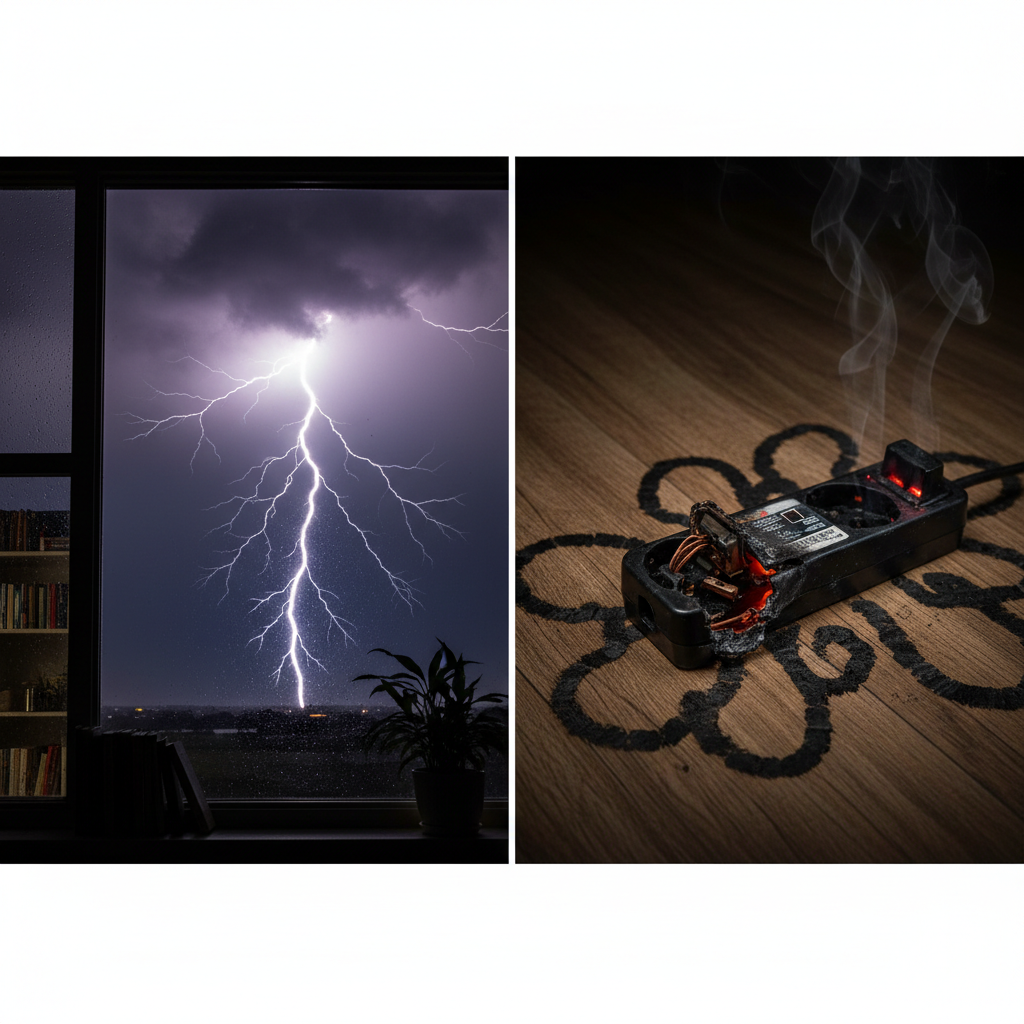
Baltimore's thunderstorm season brings a real risk of power surges, not just from direct lightning strikes but from strikes on nearby power lines or transformers that send voltage spikes through the grid. These surges can degrade electronics over time even when the damage isn't immediately visible, shortening the lifespan of HVAC controls, appliances, and anything with a circuit board. Whole-house surge protection is one of the more practical ways to reduce this risk at the source.
Protecting Sensitive Electronics and Appliances
Modern homes rely on circuit boards in places that didn't used to have them, from refrigerators to washing machines to smart thermostats. These components are more sensitive to voltage fluctuations than older mechanical appliances, which means even small, repeated surges can shorten their lifespan. A layered approach, whole-house protection plus point-of-use surge protection for high-value electronics, offers more reliable coverage than relying on either one alone.
Breaker Panel Compatibility and Considerations
Not every electrical panel can accommodate a whole-house surge protector or updated AFCI and GFCI breakers without some evaluation first. Panel age, available space, and the type of breakers already installed all factor into what upgrades are possible and how they should be approached. A licensed electrician can assess your panel and recommend options that fit your home's existing setup rather than assuming a one-size-fits-all solution.
Frequently asked questions
Is a whole-house surge protector really necessary if I already use power strips?
Power strips with surge protection only cover what's plugged into them, and many wear out over time without an obvious indicator. A whole-house surge protective device at the panel adds a layer of protection for everything in your home, including hardwired systems that power strips can't reach.
What's the difference between GFCI and AFCI protection?
GFCI protection is designed to prevent shock by shutting off power when current leaks to ground, which matters most in wet areas. AFCI protection is designed to prevent fires by detecting arcing faults in wiring, which is more relevant throughout living spaces. Many homes need both, in different locations.
Can a lightning strike damage my home's wiring even if it doesn't hit the house directly?
Yes. A strike on a nearby power line, transformer, or even a tree can send a voltage surge through the utility grid and into your home's wiring and connected devices. This is one of the main reasons whole-house surge protection is worth considering even if your home has never been struck directly.
How do I know if my panel can support a whole-house surge protector?
It depends on the panel's age, available breaker space, and overall condition. A licensed electrician can evaluate your panel and let you know whether it can accommodate a surge protective device as-is or whether other updates are needed first.
Do I need AFCI protection in every room?
Current Maryland code requires AFCI protection in most living areas, including bedrooms, living rooms, and similar spaces, though exact requirements can depend on when your home was built or last permitted. Older homes often have partial or no AFCI coverage, which is worth discussing with an electrician if you haven't had your panel reviewed recently.