Older & Historic Homes
Baltimore's rowhomes and historic properties often carry wiring systems that were sound decades ago but don't match how we use electricity today. This hub gathers our articles on knob-and-tube, cloth-covered wiring, aluminum branch circuits, and ungrounded outlets so you can understand what's behind your walls before deciding what to do about it.
Many Baltimore-area homes built before 1960 still have original wiring, two-prong outlets, or fuse boxes that predate modern electrical code. These systems aren't automatically dangerous, but they do have limitations worth understanding, especially around grounding, insulation condition, and capacity for modern appliances. The articles linked below walk through specific materials and configurations we see regularly in Baltimore and Baltimore County homes. If you're unsure what you're working with, a licensed electrician can inspect and document your system's actual condition rather than guess from its age alone.
Articles in this topic
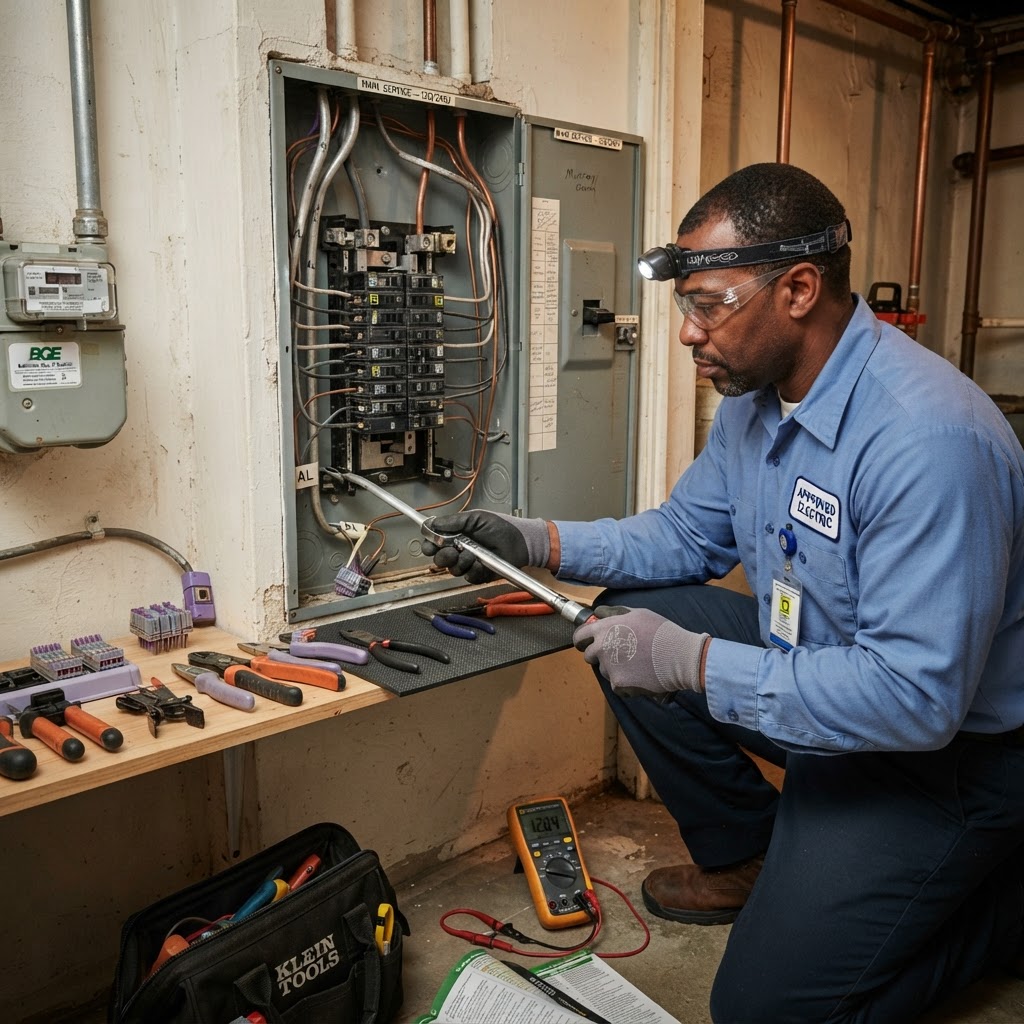
Material Forensics: The Aluminum Branch Circuit Hazard
Is your Baltimore rowhome hiding a conductive ticking time bomb behind its plaster walls?
Read more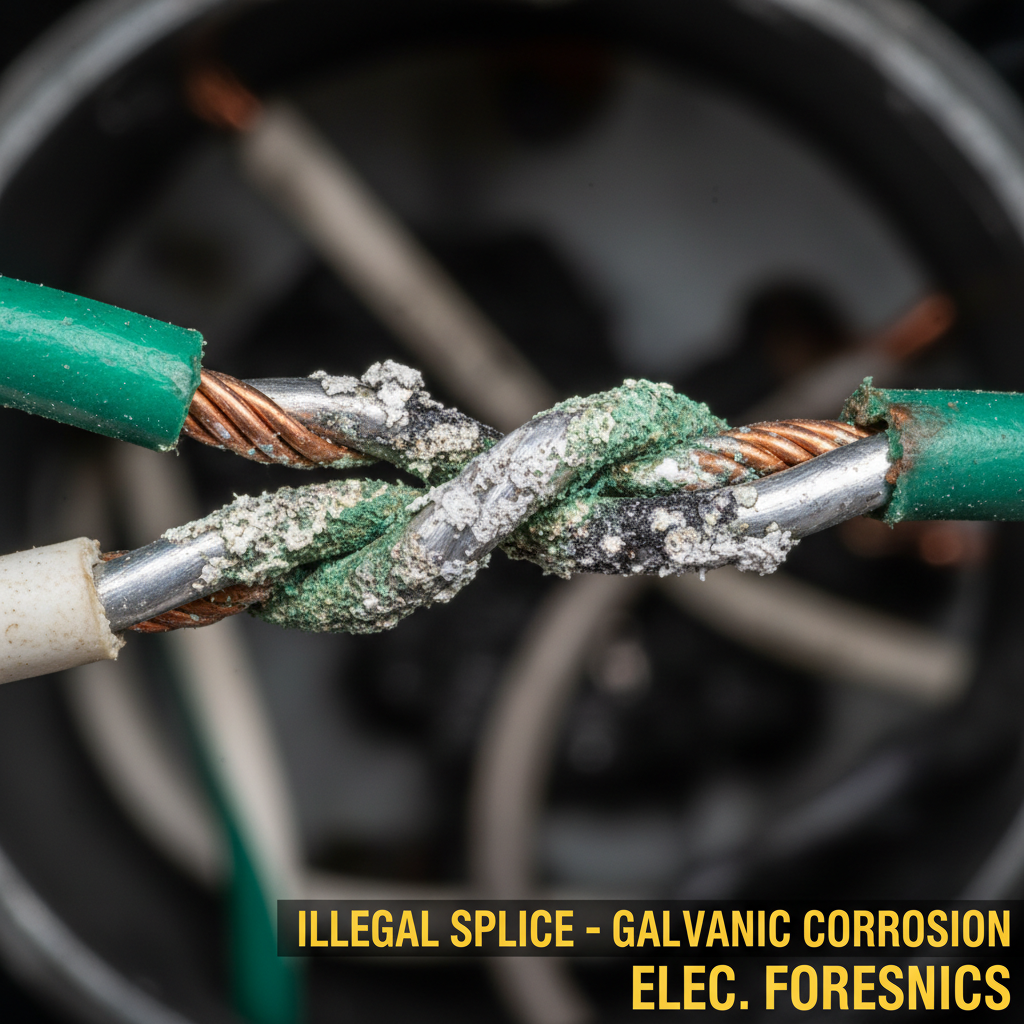
Forensic Breakdowns: Aluminum to Copper Splices
Is this illegal wire connection secretly burning down your house?
Read more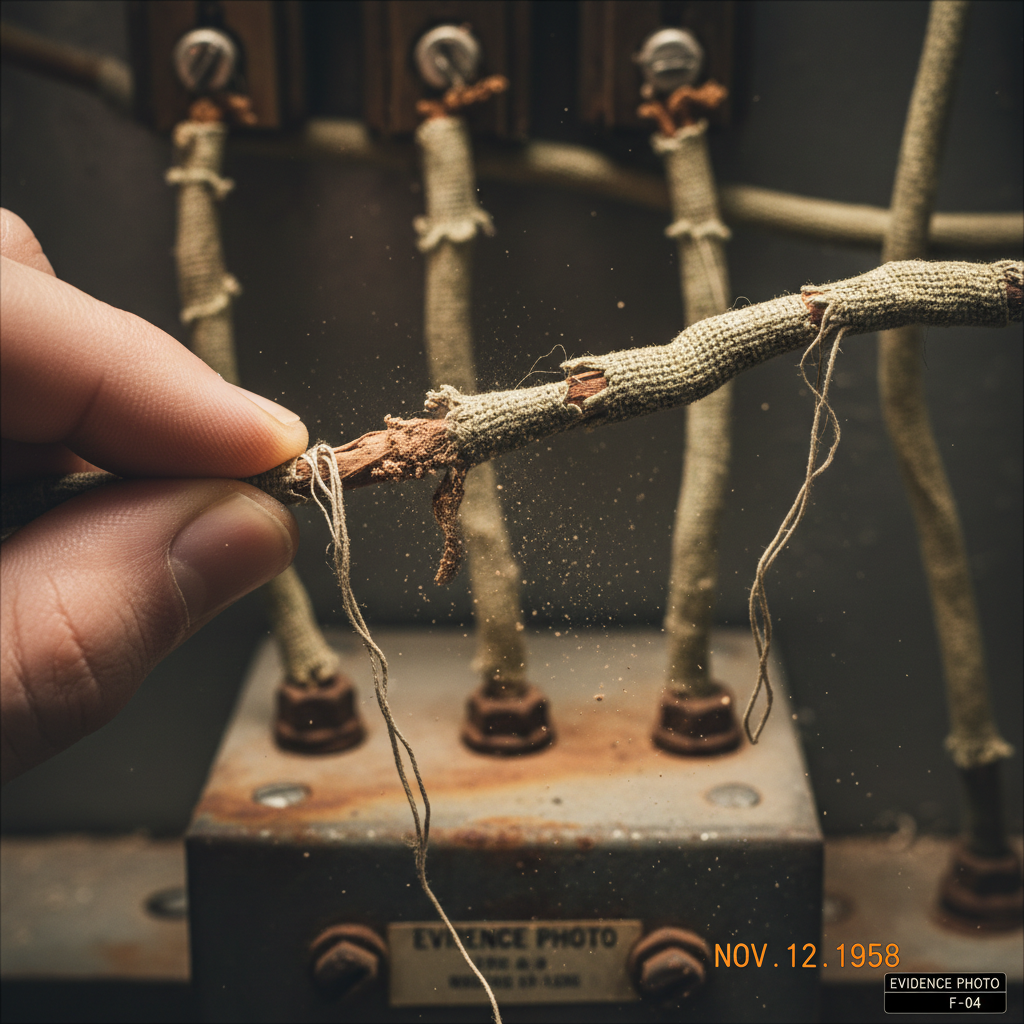
Legacy Specs: Cloth Covered Wiring
What happens when your home's electrical wiring literally turns to dust?
Read more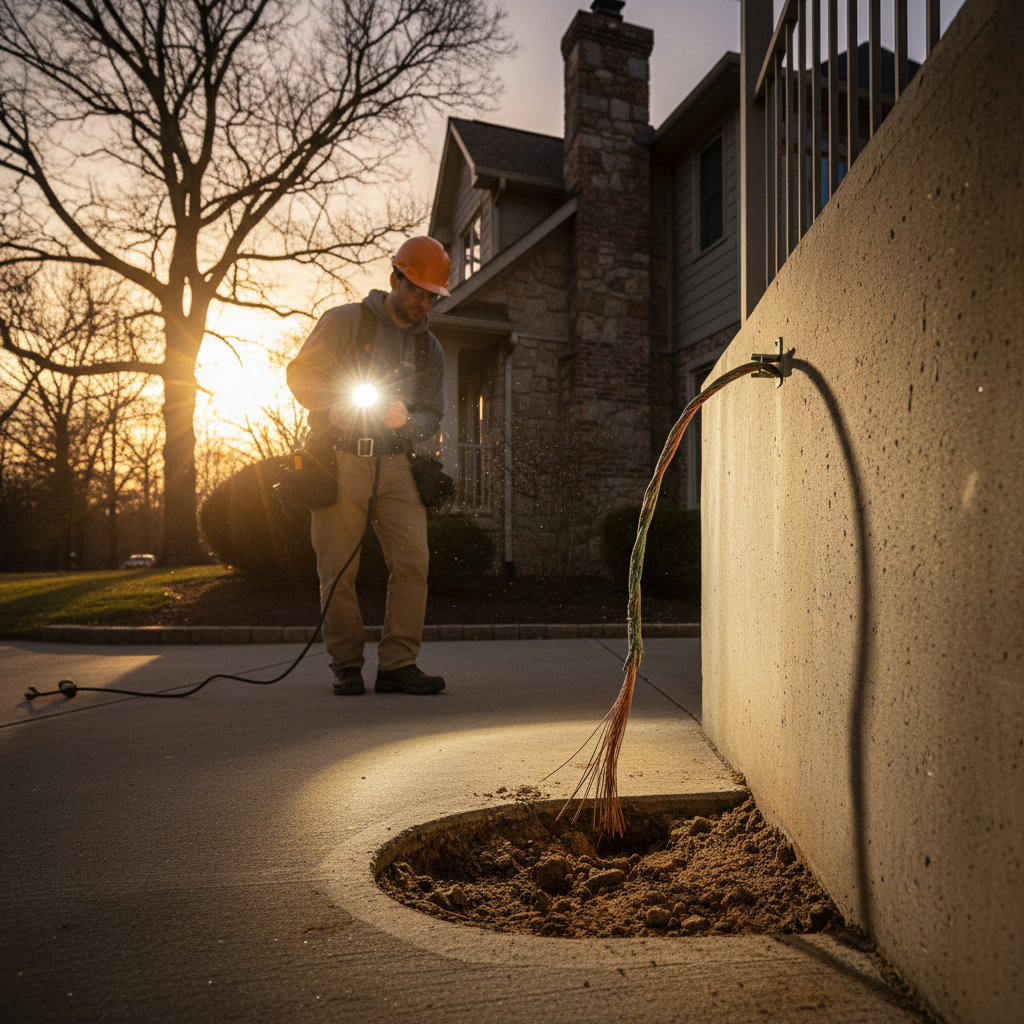
Legacy Specs: Missing Ground Rods
Where did your home's primary electrical ground wire go?
Read more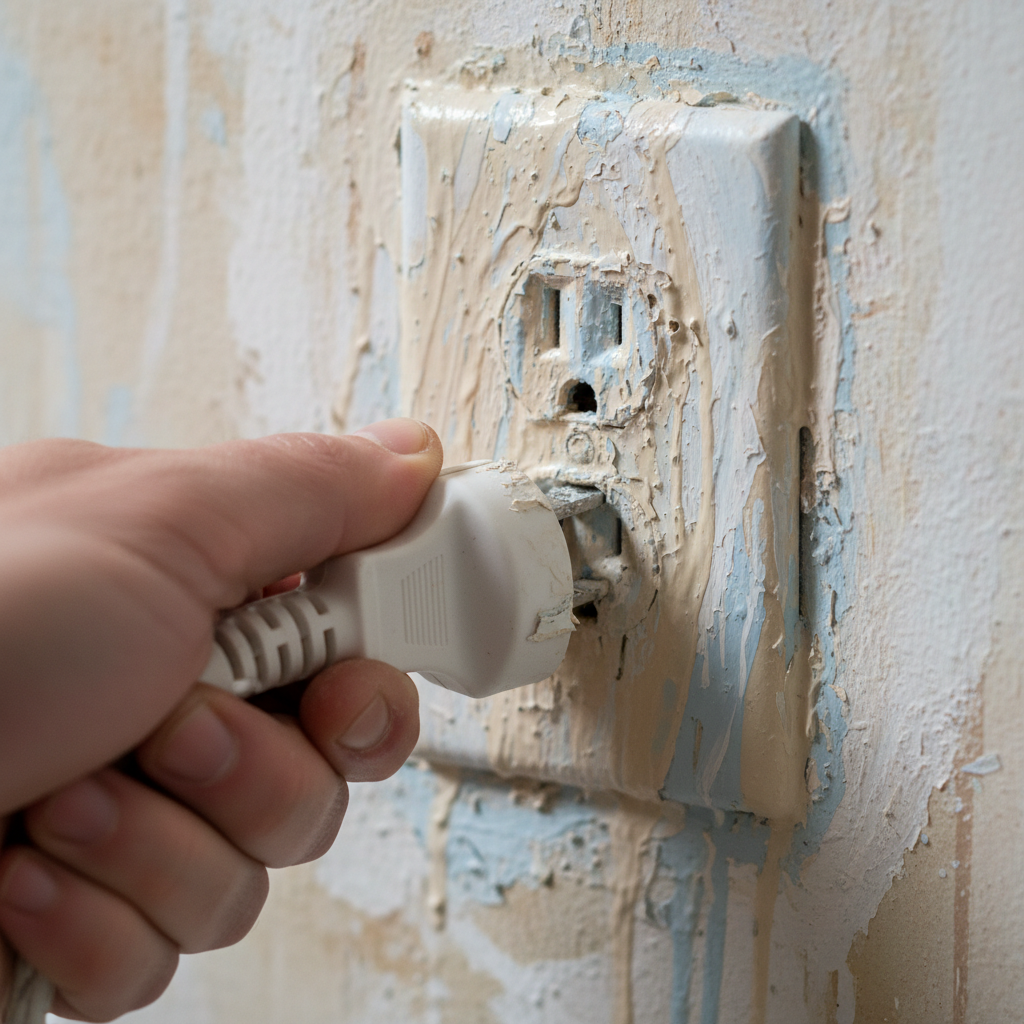
Retro-fit Nightmares: Painted Receptacles
Is the 'landlord special' secretly creating a fire hazard in your home?
Read more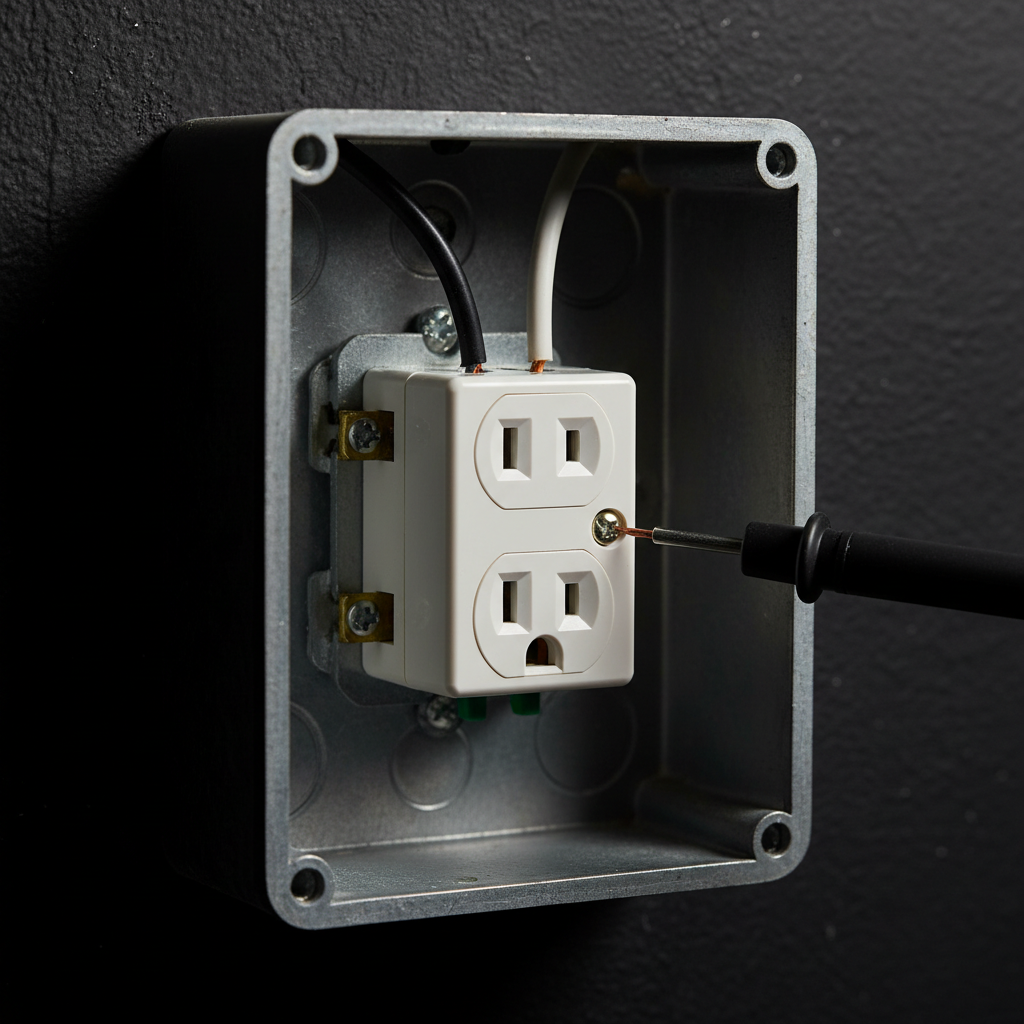
Blind Spots: Ungrounded 3-Prong Outlets
Are your home's electrical upgrades secretly destroying your electronics?
Read more
Suppressed Accounts: Bootleg Grounds
Do you have a fake safety feature installed in your old home?
Read more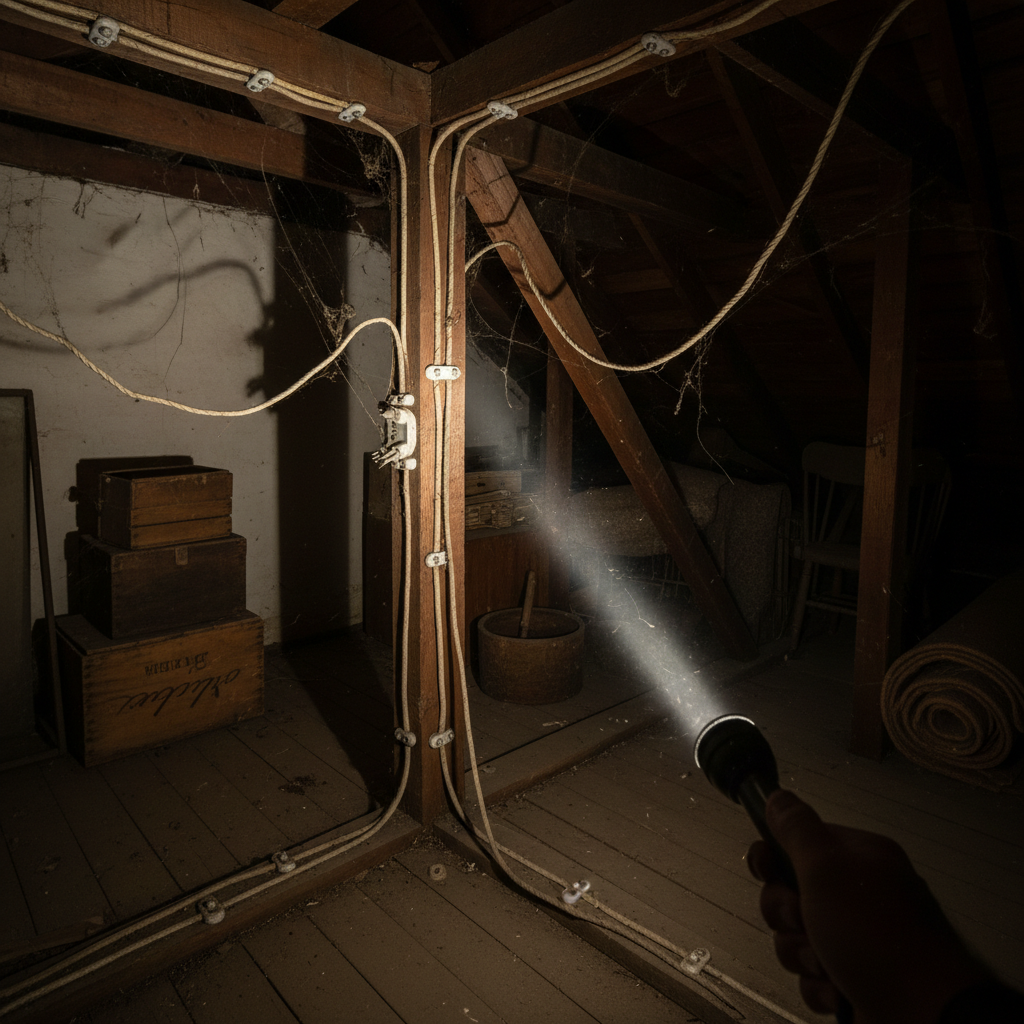
Retro-fit Nightmares: Knob and Tube
Is century-old wiring secretly powering your house?
Read more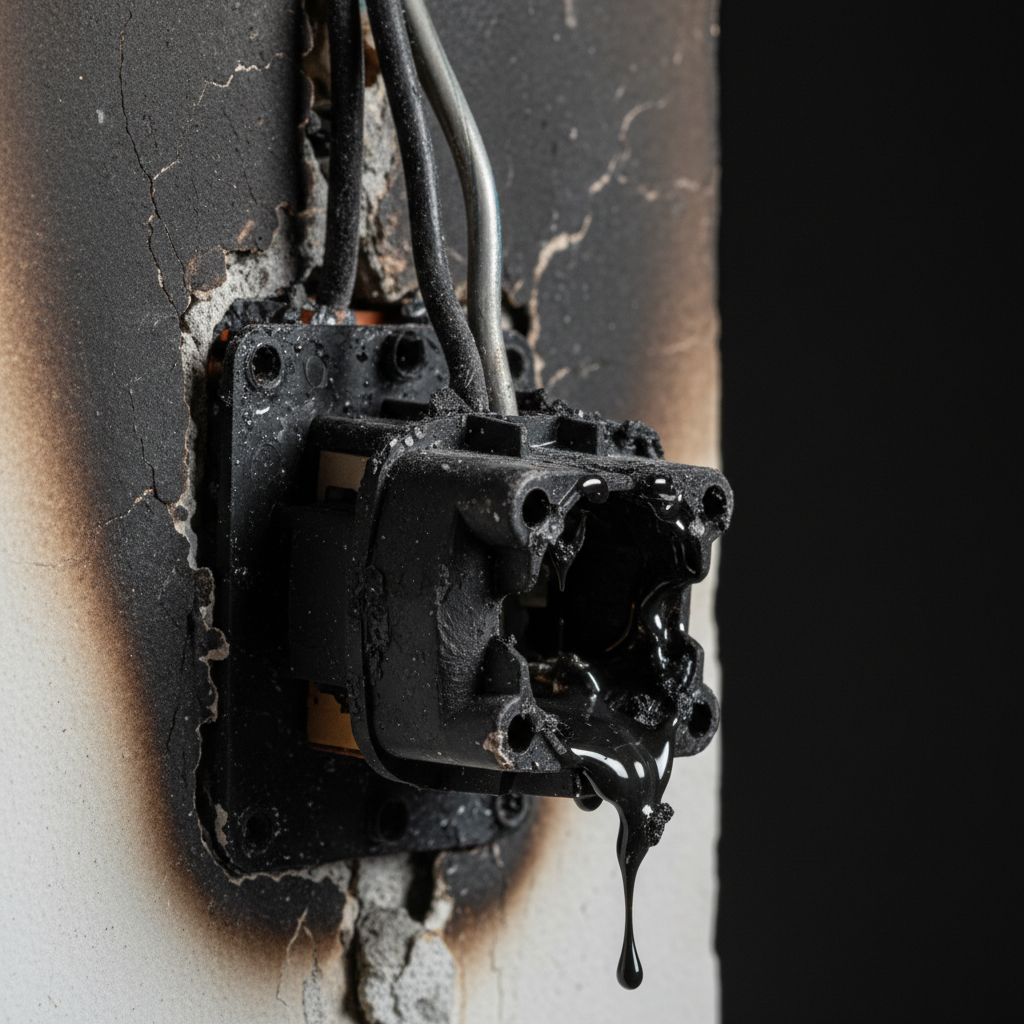
Material Forensics: Aluminum Wiring
The hidden danger inside your walls could be costing you everything.
Read moreWhat this topic covers
Knob-and-Tube and Cloth-Covered Wiring
Homes built in the early-to-mid 20th century often used knob-and-tube wiring or later cloth-insulated cable. Both systems can function for years, but insulation degrades over time and neither was designed with grounding conductors. Our article on knob-and-tube in historic homes (/articles/knob-and-tube-wiring-historic-homes) covers how to recognize it and what insurers and inspectors typically expect. For wiring from the 1950s, see our piece on cloth-covered wiring in 1950s homes (/articles/cloth-covered-wiring-1950s-homes).
Aluminum Branch Circuit Wiring
Some homes and additions from the 1960s and 70s used aluminum wire for branch circuits instead of copper. Aluminum expands and contracts differently than copper, which can loosen connections at outlets and switches over time. We cover the specifics in our aluminum wiring danger article (/articles/aluminum-wiring-danger-baltimore) and in a closer look at aluminum branch circuit hazards (/articles/material-forensics-the-aluminum-branch-circuit-hazard). Where aluminum and copper meet at splices, the connection method matters; see our article on aluminum-to-copper splices and galvanic corrosion (/articles/aluminum-copper-splice-galvanic-corrosion).
Two-Prong Outlets and Grounding Gaps
Many historic Baltimore homes still have original two-prong outlets, which simply means no grounding conductor was run to that circuit. Some of these outlets have since been swapped for three-prong receptacles without adding an actual ground path, a shortcut sometimes called a bootleg ground. Our article on bootleg grounds (/articles/bootleg-ground-fake-outlet-upgrade) explains why this creates a false sense of security, and our piece on ungrounded three-prong outlets (/articles/ungrounded-3-prong-outlet-electronics-damage) covers how this setup can affect sensitive electronics.
Grounding Systems and Ground Rods
A complete grounding system includes more than outlet wiring; it also depends on a proper connection to earth, often through a ground rod or approved water pipe connection. In some older homes this connection was never installed correctly or was lost when plumbing was updated to PEX. Our article on missing ground rods and PEX piping (/articles/missing-ground-rod-pex-pipe-grounding) explains how this gap can go unnoticed for years.
Receptacle Condition and Cosmetic Cover-Ups
In rental properties and homes with many layers of paint, outlets are sometimes painted over during routine maintenance, which can affect the receptacle's ability to make proper contact and dissipate heat. Our article on painted receptacles (/articles/painted-outlet-fire-hazard-landlord) is written with landlords and tenants in mind and explains what to look for during a walkthrough.
Working With Plaster Walls During Upgrades
Rewiring a rowhome or historic property often means working around plaster-and-lath walls rather than drywall, which changes how new cable can be run and how much patching is needed afterward. We don't provide do-it-yourself instructions for this work, but if you're planning a whole-house rewire or partial upgrade, it's worth discussing wall construction with your electrician up front so you know what to expect in terms of access points and repair.
Frequently asked questions
Is knob-and-tube or cloth-covered wiring automatically a fire hazard?
Not automatically. Age alone doesn't make wiring dangerous, but these systems lack grounding and their insulation can become brittle over decades, especially if it's been exposed to heat, moisture, or insulation added around it. The safest approach is to have the actual condition assessed rather than assume based on the home's age.
Can I just replace a two-prong outlet with a three-prong one myself?
Swapping the outlet without running an actual ground wire creates a three-prong receptacle that looks grounded but isn't, which is sometimes called a bootleg ground. This can be more misleading than leaving the original two-prong outlet in place, since it gives a false signal to anyone plugging in grounded equipment.
Do I need to rewire my entire historic home at once?
Not necessarily. Many homeowners address circuits in stages, starting with areas of highest use or highest risk, such as kitchens, bathrooms, and any knob-and-tube circuits still in service. An electrician can help prioritize based on what's actually in your walls and panel.
Will rewiring my rowhome require tearing out my plaster walls?
It depends on the layout and where cable needs to run. Some work can be done through existing access points, attics, or basements with limited wall opening, while other sections may need more access. Your electrician can walk the specific spaces with you before work begins so there are no surprises.
Does homeowner's insurance care about old wiring types?
Many insurers ask about aluminum wiring, knob-and-tube, or fuse panels on applications or renewals, and some require updates before issuing or renewing a policy. It's worth checking with your insurance provider directly, since requirements vary by company.