Panels, Heavy-Ups & Service Upgrades
If your home's electrical panel is decades old, undersized, or straining to keep up with added appliances, you're not alone in Baltimore's older housing stock. This hub brings together our guides on panel replacement, service upgrades, and the safety issues we see most often in rowhomes and older suburban properties.
Panels are the heart of your home's electrical system, and in much of the Baltimore area, original 60-amp or 100-amp services are now working harder than they were ever designed to. Whether you're adding a home office, an EV charger, a kitchen renovation, or just tired of breakers tripping, a service upgrade or heavy-up is often the long-term fix. Below you'll find articles that walk through BGE coordination, common panel hazards, and how to tell if your current setup is actually keeping up with your home's demand.
Articles in this topic
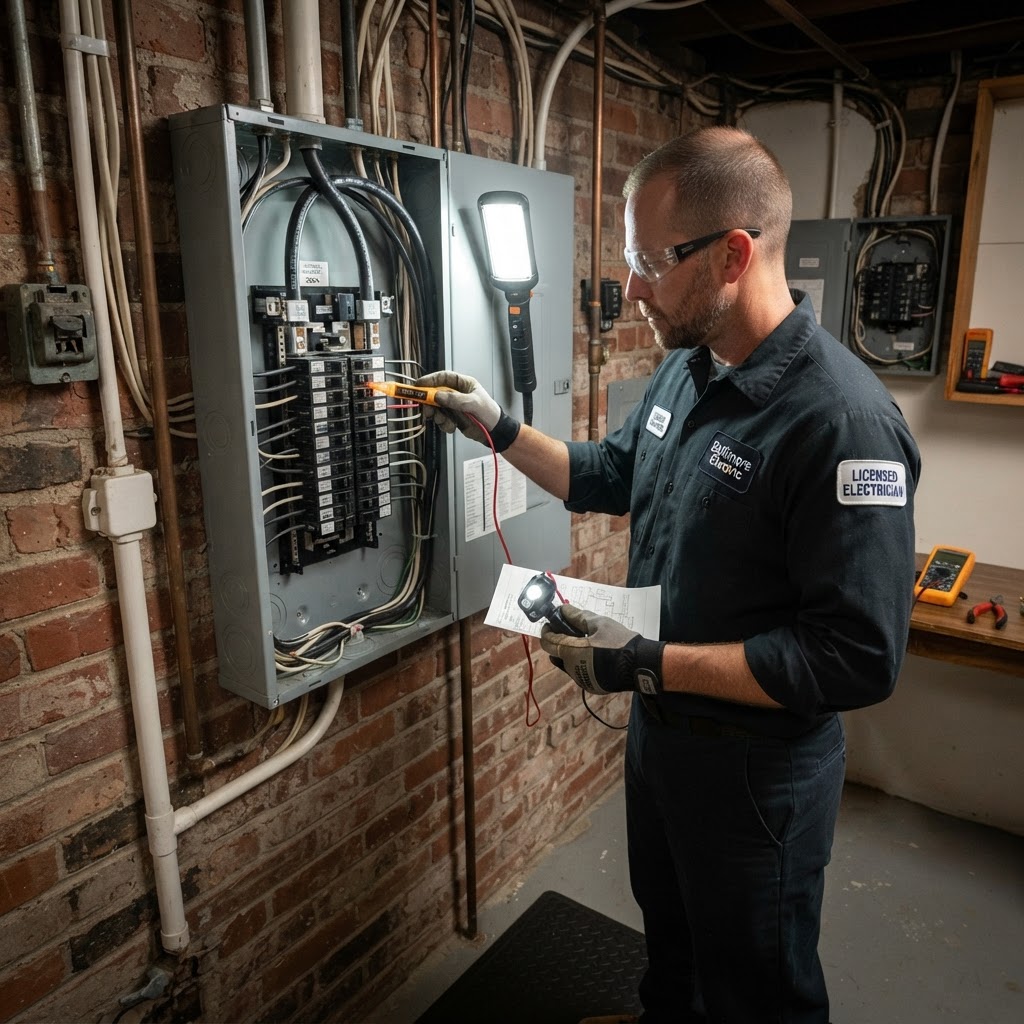
Service Capacity: Is Your Older Baltimore Home Overloaded?
Does your historic Baltimore home struggle to keep up with modern electrical demands?
Read more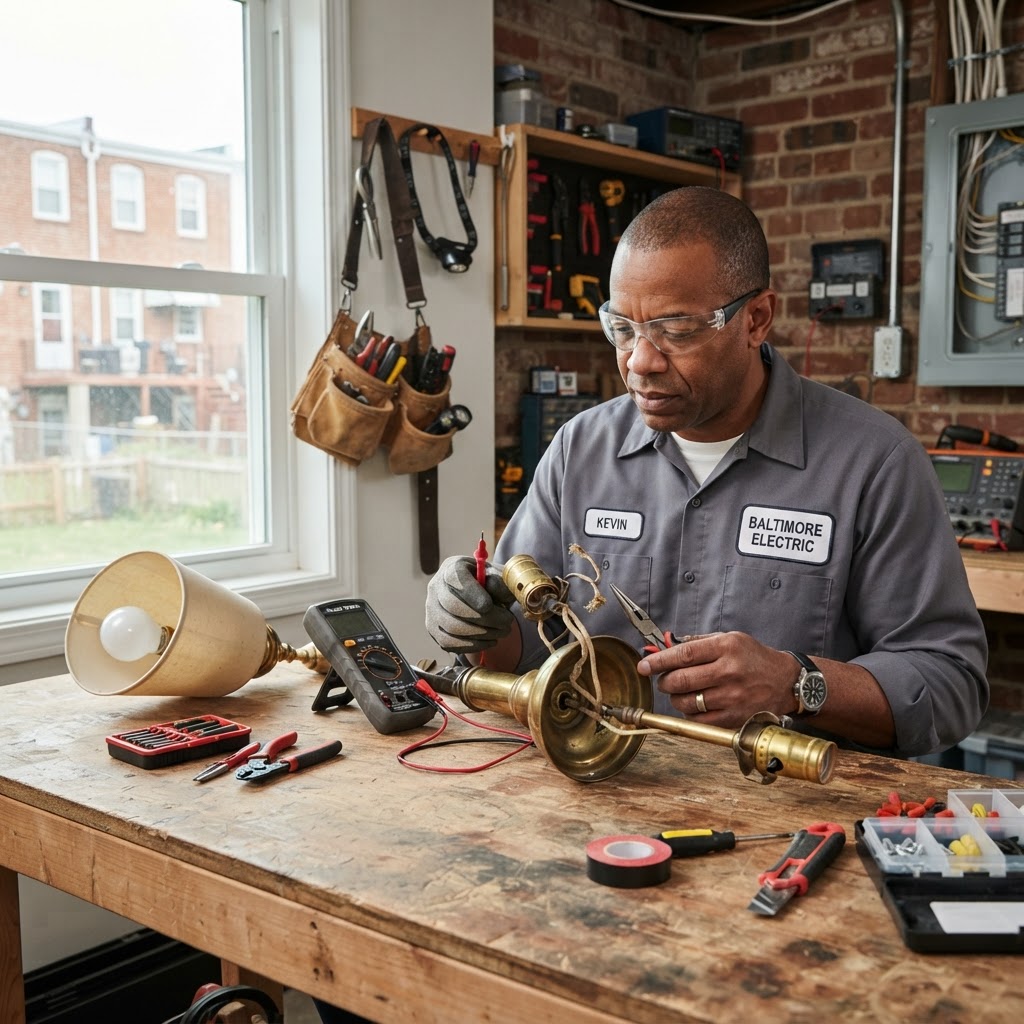
Forensic Breakdown: The Anatomy of a Lamp Failure
Is that flickering lamp a simple bulb change or a sign of a deteriorating circuit?
Read more
Operational Blueprints: Generator Interlock Kits
Are you using an illegal and deadly method to power your house during a blackout?
Read more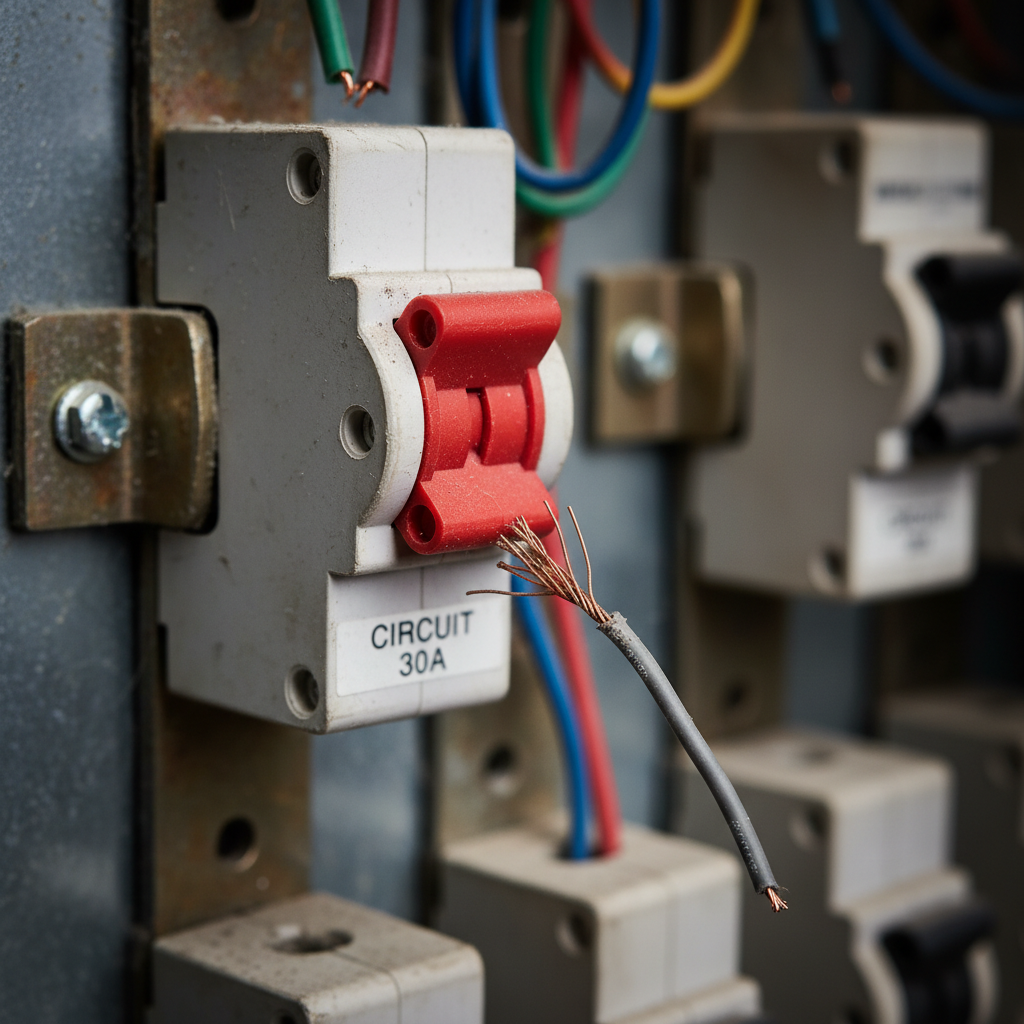
Operational Blueprints: Oversized Breakers
Is this common DIY fix about to burn down your house?
Read more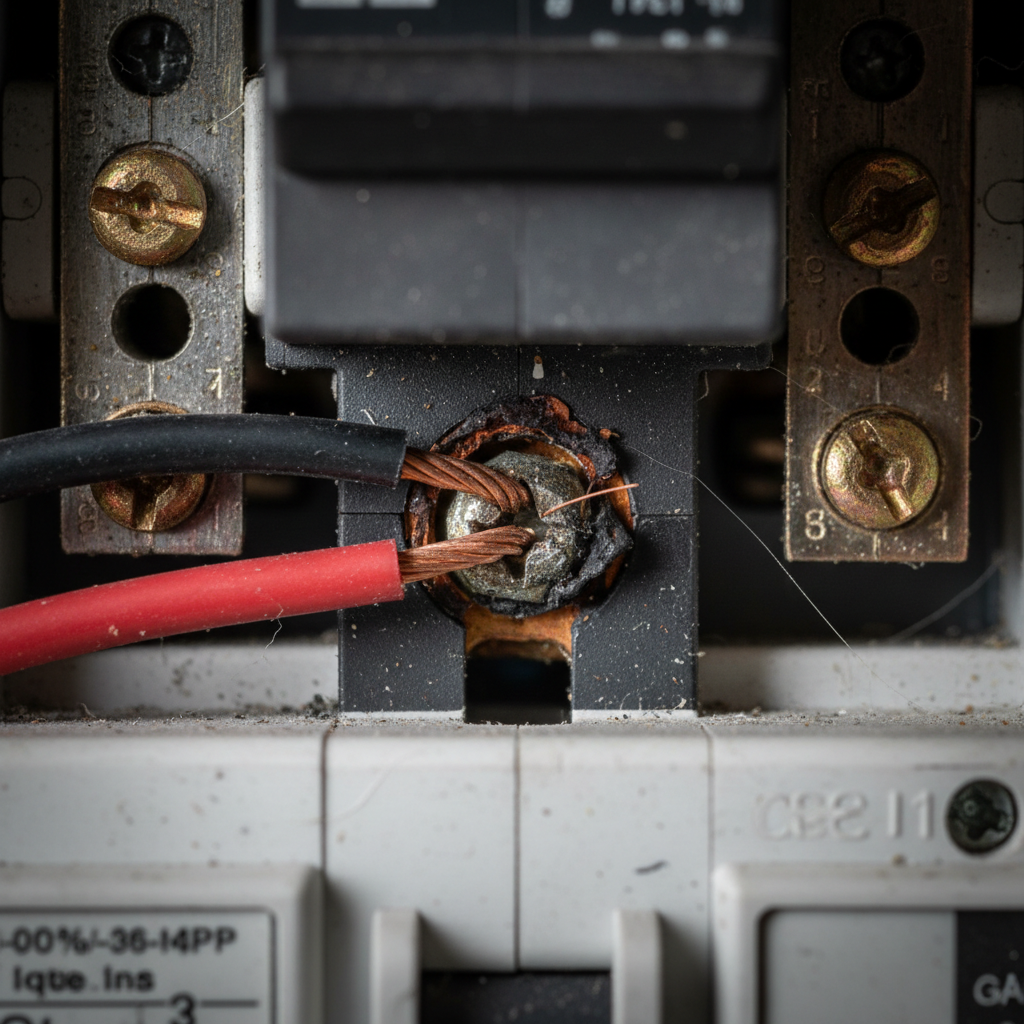
Inspector Blind Spots: Double Tapped Breakers
What is the breaker box mistake that almost everyone misses?
Read more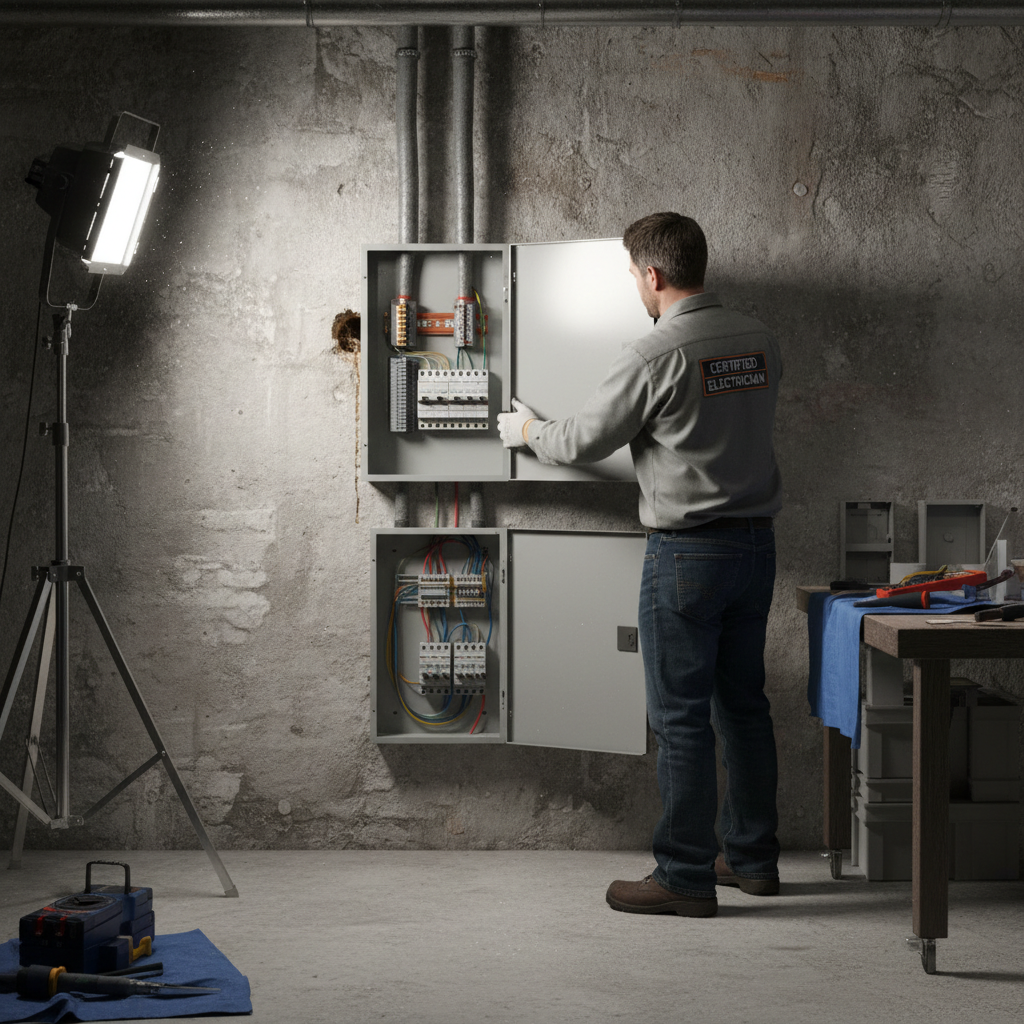
What to Expect When Upgrading a 100-Amp Service with BGE
That 100-amp panel is the single biggest obstacle standing between your property and modern electrical demand — here's the full playbook.
Read moreWhat this topic covers
Signs Your Panel Is Overloaded
Flickering lights when the microwave runs, a panel that feels warm to the touch, or breakers that trip for no obvious reason can all point to a service that's maxed out. This is especially common in Baltimore's older homes, many of which were wired decades before central air, electric ranges, and multiple computers were standard. Our article on Service Capacity: Is Your Older Baltimore Home Overloaded? breaks down what we look for during an inspection and how we decide whether a repair or a full upgrade is the right call.
100-Amp vs. 200-Amp Service: What Actually Changes
A 100-amp panel was adequate for many homes built mid-century, but it leaves little room for additions, workshops, or modern appliance loads. Moving to 200 amps (or occasionally higher) gives you breathing room and often simplifies future projects like EV charging or a finished basement. If you're in BGE territory, the upgrade involves more than swapping a panel, our guide on What to Expect When Upgrading a 100-Amp Service with BGE covers permitting, scheduling, and what BGE's role is in the process.
Heavy-Ups for Additions and Growing Demand
A heavy-up, upgrading the main service size without necessarily replacing every circuit, is common when homeowners add a sunroom, convert a garage, or install high-draw equipment like a hot tub or heat pump. The right size depends on your home's current load and what you're planning next, not just a guess at what sounds safe. We size heavy-ups based on actual calculated demand rather than rules of thumb, which is also why we rarely recommend doing this work piecemeal.
Common Panel Hazards We Find in the Field
Some of the most frequent issues we see aren't about capacity at all, they're about how a panel was wired or modified over the years. Double tapped breakers, where two wires share a single breaker slot not rated for it, are a recurring example we explain in Inspector Blind Spots: Double Tapped Breakers. Oversized breakers installed to stop nuisance tripping are another common shortcut, and our article on Oversized Breakers and DIY Fire Risk explains why matching breaker size to wire gauge matters more than it might seem.
Backup Power and Panel Compatibility
If you're considering a portable generator, your panel setup affects how safely it can be connected. A properly installed interlock kit is a very different thing from an improvised 'suicide cord,' and the difference matters for your safety and your home's wiring. Our piece on Generator Interlock Kits vs. Suicide Cords walks through how these systems interact with your existing panel.
When Small Symptoms Trace Back to the Panel
Not every panel-related issue looks dramatic. Sometimes it shows up as a single fixture failing repeatedly or a circuit that seems to have a mind of its own. Our article on The Anatomy of a Lamp Failure walks through how we trace a small, recurring problem back to its actual source, which is sometimes the panel and sometimes somewhere else entirely.
Frequently asked questions
How do I know if I need a panel upgrade or just a repair?
It depends on what's actually happening. Frequent breaker trips, a panel that can't handle new appliances, or outdated fuse-based systems usually point toward an upgrade. Isolated issues, like one bad breaker or a loose connection, can often be repaired without replacing the whole panel. We make that determination after an on-site inspection rather than guessing from a phone description.
Does BGE need to be involved in a service upgrade?
Yes, in most cases. BGE owns the service drop and meter equipment up to your point of connection, so upgrades typically require coordination for disconnecting and reconnecting service. We handle that scheduling as part of the project, and our article on 100-amp upgrades with BGE walks through what homeowners can expect timing-wise.
Is 200-amp service overkill for a typical Baltimore rowhome?
Not necessarily. Many rowhomes were built with 60 or 100-amp service, which was fine decades ago but can feel tight with central air, electric cooking, and modern electronics. Whether 200 amps makes sense depends on your home's actual load and future plans, which is something we calculate rather than assume.
How long does a panel replacement or heavy-up take?
A straightforward panel replacement is often completed in a day, though the exact timeline depends on permitting, BGE scheduling, and any additional wiring work uncovered during the job. More involved heavy-ups tied to an addition or renovation typically take longer and are scheduled alongside the rest of that project.
Can I keep using my current panel if it's old but hasn't caused problems?
Age alone isn't always the deciding factor, but certain older panel brands and designs have known issues worth checking even if nothing has failed yet. An inspection can tell you whether your specific panel is a long-term liability or still serviceable, which is more useful than relying on the panel's age by itself.