What to Expect When Upgrading a 100-Amp Service with BGE
That 100-amp panel is the single biggest obstacle standing between your property and modern electrical demand — here's the full playbook.
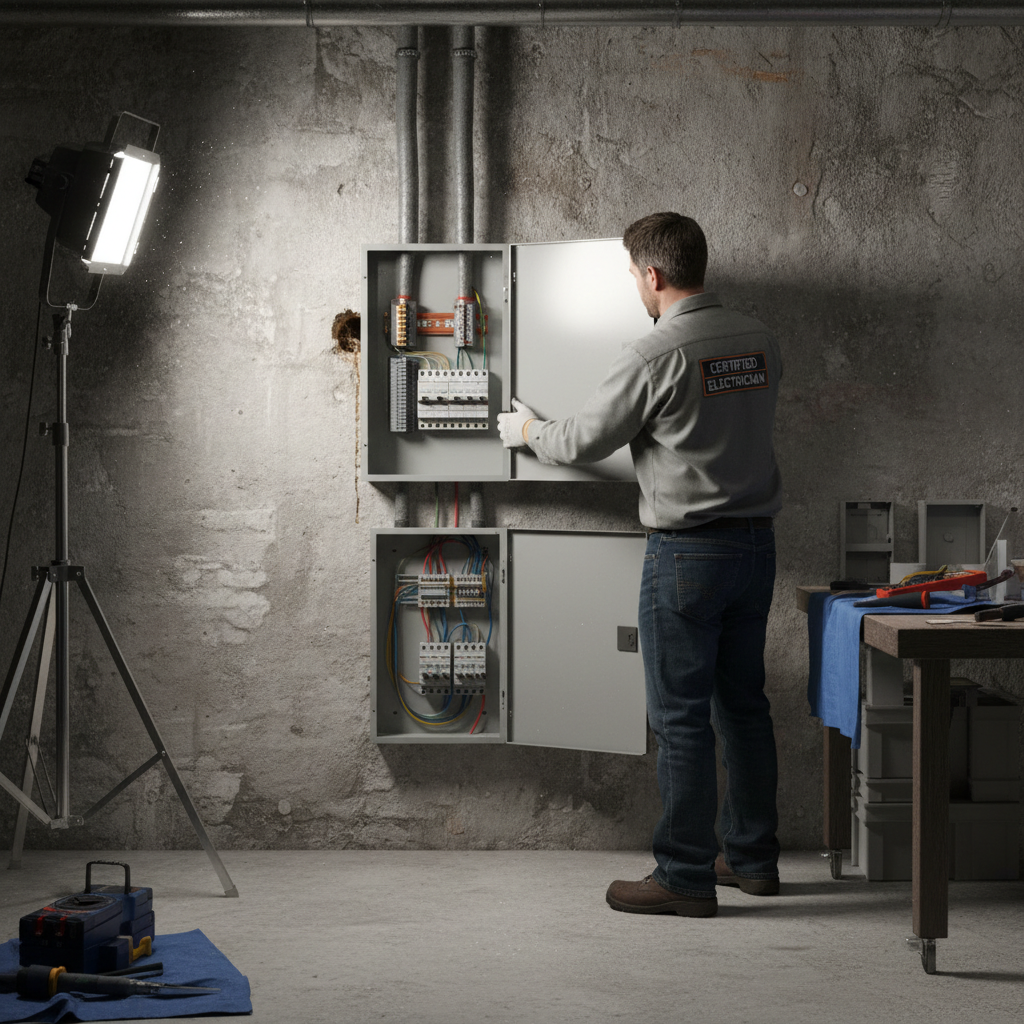
A 100-amp service was the residential standard through the 1970s. Today, with EV chargers (50A continuous), heat pumps, modern kitchens, and home offices, most properties need 200-amp minimum. Here's what the upgrade process actually looks like in BGE territory: (1) Load calculation — your electrician determines if an upgrade is genuinely necessary and sizes the new service correctly. (2) Permit pulled — a Baltimore City or county electrical permit is required before any work begins. (3) BGE coordination — your electrician contacts BGE to schedule a service disconnect. BGE must de-energize the meter base before the new panel and service entrance cable can be installed. This scheduling window is typically 2–5 business days. (4) Day of work — the old meter base, service entrance cable, and main panel are replaced. Most jobs run 6–10 hours. (5) Inspection — the city or county inspector must approve the work before BGE will reconnect power. (6) BGE reconnect — once the inspection card is signed off, BGE restores power, often same-day or next-day. Key cost factors: the distance from the utility pole to the meter, whether the service entrance cable runs overhead or underground, panel brand and breaker slots needed, and any additional circuit work. For property managers and investors: a 200-amp upgrade dramatically increases rentability and resale value, and eliminates liability from an undersized system struggling to carry modern loads.
Get an honest, upfront quote on your service upgrade — call (443) 469-9371 or visit CharmCityElectric.com.
Next steps
Published 2026-06-19