Lamp Flickering or Not Working? Lamp vs. Outlet Checks
If one lamp stops working, the lamp may be the problem. If other devices fail, flicker, or heat up at the same outlet, the home’s wiring deserves attention.
Quick answer
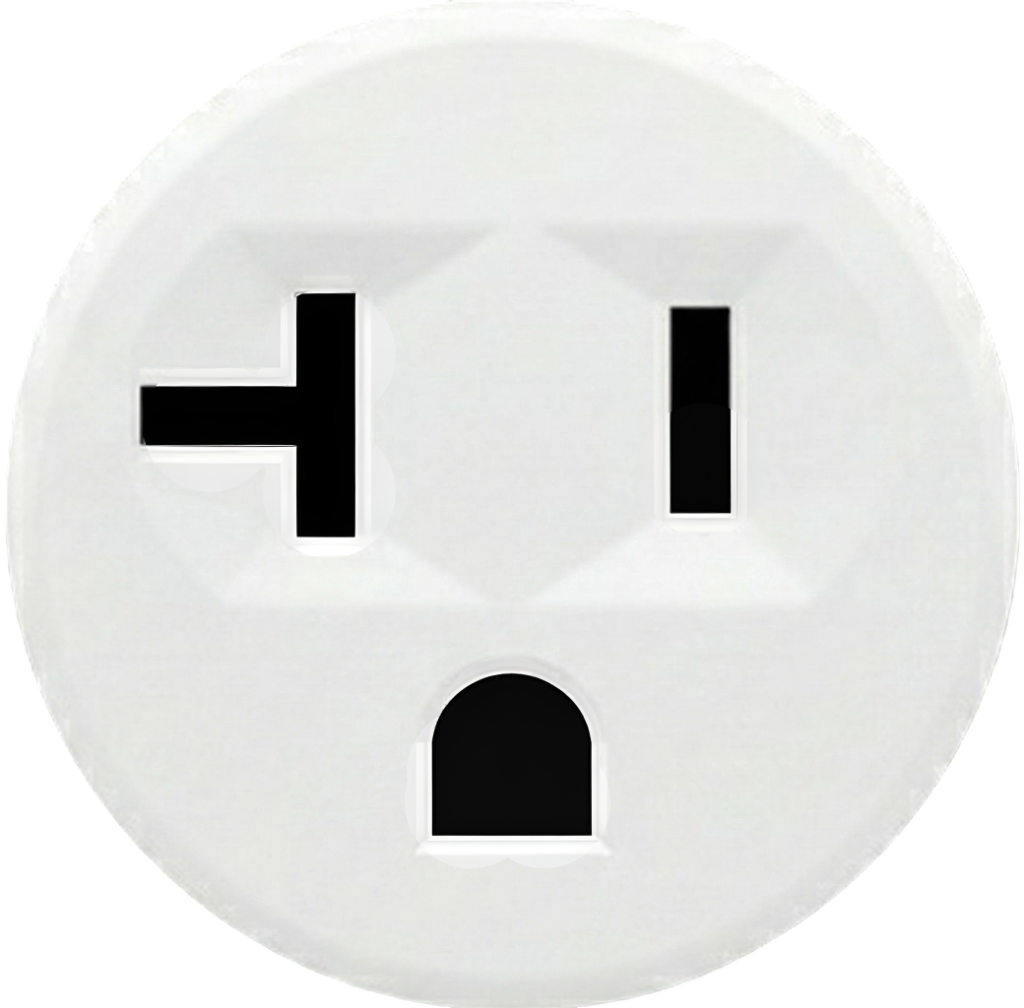
Start by deciding whether the symptom follows the portable lamp or stays with the outlet. A burned-out or incompatible bulb, worn cord, plug, switch or socket can affect one lamp. An outlet or circuit problem is more likely when a known-working lamp also misbehaves at that location, several lights flicker together, a breaker repeatedly trips, or the receptacle is warm, discolored, buzzing or smells burned.
Do not keep testing a lamp, plug or outlet that is smoking, sparking, hot, visibly damaged or producing a burning odor.
Safe checks before calling
Only continue if there is no heat, smoke, sparking, burning odor, buzzing or repeated breaker trip.
- Turn the lamp off and unplug it before touching the bulb or inspecting the cord.
- Let the bulb cool, then confirm it matches the lamp manufacturer’s type and maximum-wattage label.
- Look at the cord and plug without opening the lamp. Stop using it if the insulation is cracked, cut, pinched or otherwise damaged.
- Try a known-working bulb of the correct type.
- If the lamp still fails and there are no hazard signs, note whether a known-working lamp operates normally from that outlet.
Do not open the receptacle, remove the electrical panel cover or repeatedly reset a breaker that trips again.
Why an LED lamp may flicker
A loose or failing bulb can flicker, but LED performance can also depend on compatibility between the lamp’s electronic driver and a dimmer. U.S. Department of Energy lighting guidance notes that LED dimming behavior is affected by the driver and the control equipment. If flicker occurs only when the lamp is dimmed, check the lamp and dimmer manufacturers’ compatibility information before assuming the home circuit is failing.
If several lights flicker together, the problem is no longer isolated to one portable lamp. Record when it happens and whether it follows an appliance or affects more than one room, then have the electrical system evaluated.
When the lamp is probably the problem
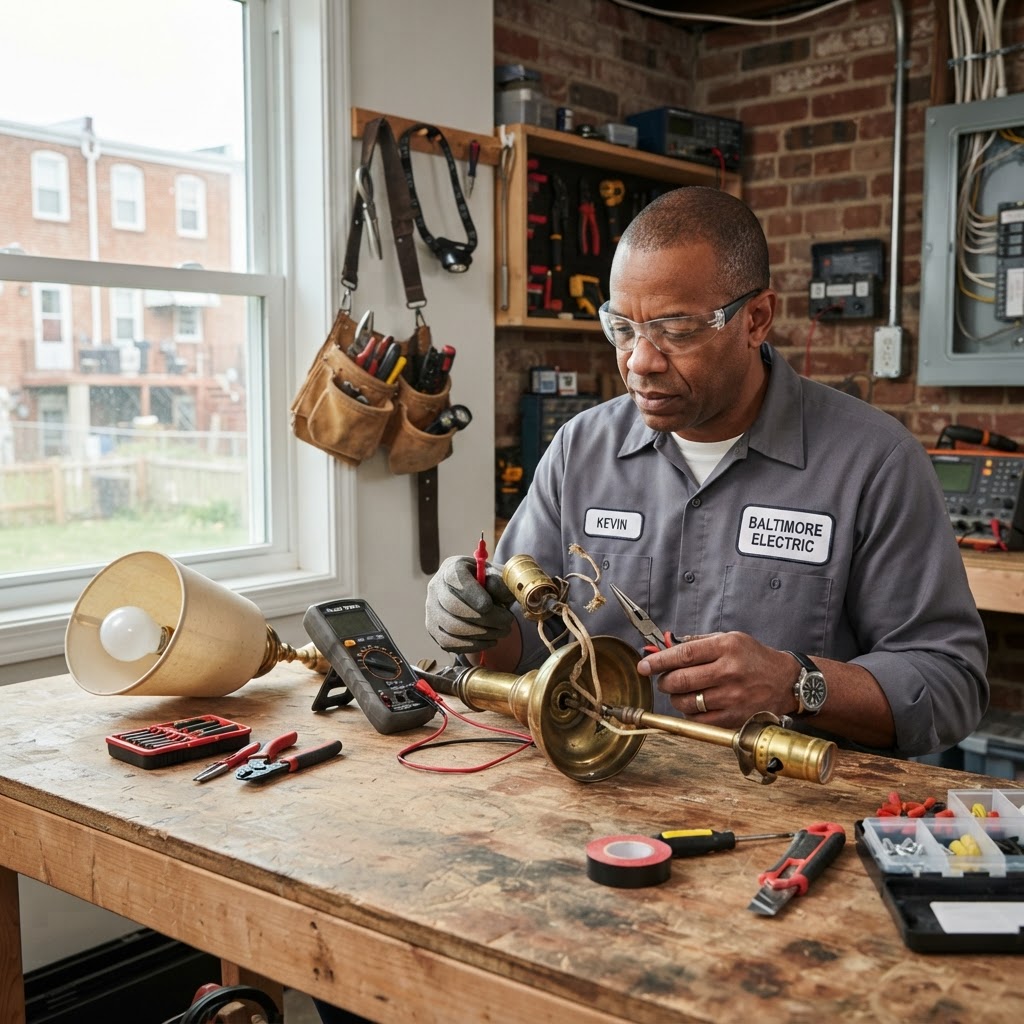
The lamp itself is the stronger suspect when the symptom follows that lamp to a known-good outlet while other devices operate normally. Portable lamps contain their own cord, plug, switch and socket. Repair or replacement decisions should be based on the lamp manufacturer’s instructions and the condition of those parts.
Charm City Electric is not presenting this page as a portable-lamp repair service. The electrical-service issue begins when the receptacle, branch circuit or other home wiring shows the same symptom.
When to call an electrician
Have the outlet or circuit evaluated when:
- A known-working lamp also fails or flickers at the same outlet
- More than one light or room is affected
- A breaker trips repeatedly
- The receptacle, wall plate or plug is warm or discolored
- You hear buzzing, sizzling or crackling
- There is a burning odor, shock or tingling sensation
The Electrical Safety Foundation International identifies flickering or dimming lights, buzzing, warm or discolored outlets and burning odors as warning signs of an overload or wiring problem.
What an electrical evaluation can clarify
An electrician can determine whether the symptom comes from the receptacle, a loose connection, the branch circuit, a control such as a dimmer, or a broader electrical issue. That diagnosis prevents an outlet problem from being mistaken for a bad lamp—and prevents a defective portable lamp from being used as proof that the whole house needs electrical work.
Sources
Frequently asked questions
Why does only one lamp flicker?
A loose or failing bulb, worn lamp switch or socket, damaged cord, or LED-and-dimmer compatibility issue can affect one lamp. Stop using it if there is heat, damage, sparking, smoke or a burning odor.
How can I tell whether the lamp or outlet is the problem?
If there are no hazard signs, check whether a known-working lamp operates normally at the same outlet. A symptom that stays with the outlet or affects other devices points toward the receptacle or circuit.
Should I keep resetting a breaker that trips when I use a lamp?
No. Unplug the lamp and do not repeatedly reset a breaker that trips again. A recurring trip needs diagnosis before the circuit is used normally.
Can an incompatible LED bulb cause flickering?
Yes. U.S. Department of Energy guidance explains that LED dimming performance depends on compatibility between the LED driver and the dimming equipment.
When should an electrician inspect a lamp problem?
Call an electrician when the symptom stays with the outlet, affects several lights, repeatedly trips a breaker, or includes warmth, discoloration, buzzing, burning odor, shock or tingling.
If the symptom stays with an outlet or affects multiple lights, call or text Charm City Electric at (443) 469-9371 to discuss electrical fault finding.
Next steps
Published 2026-10-02 · Updated 2026-10-14