Electrical Troubleshooting
Electrical problems rarely show up all at once. They usually start small: a light that flickers when the dryer kicks on, a breaker that trips every few days, an outlet that feels warm to the touch. This hub page collects our guidance on recognizing those signals and knowing what to do next.
Most electrical troubleshooting falls into a handful of categories: lighting issues, breaker problems, outlet and switch symptoms, and the more serious signs like burning smells or sparking that call for an immediate shutoff and a professional inspection. Some of these issues are minor and tied to a single device or circuit. Others point to deeper problems in the panel or wiring that need a licensed electrician to diagnose safely. Below, we walk through the common categories Baltimore homeowners run into, and we link out to deeper articles on related topics like panel capacity and hiring the right contractor.
Articles in this topic
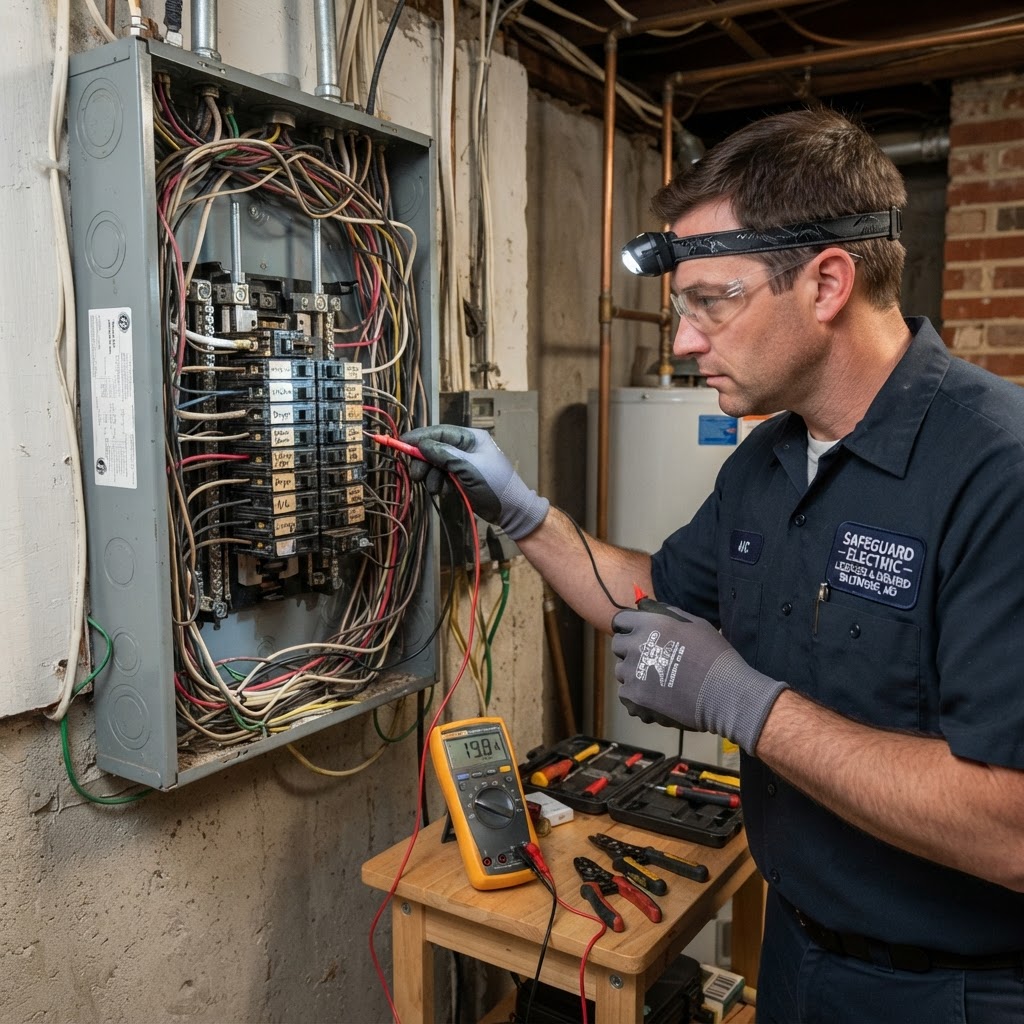
Forensic Breakdown: The Overloaded Electrical Panel
Is your panel keeping up with modern demand, or are you ignoring the tell-tale signs of a thermal meltdown?
Read more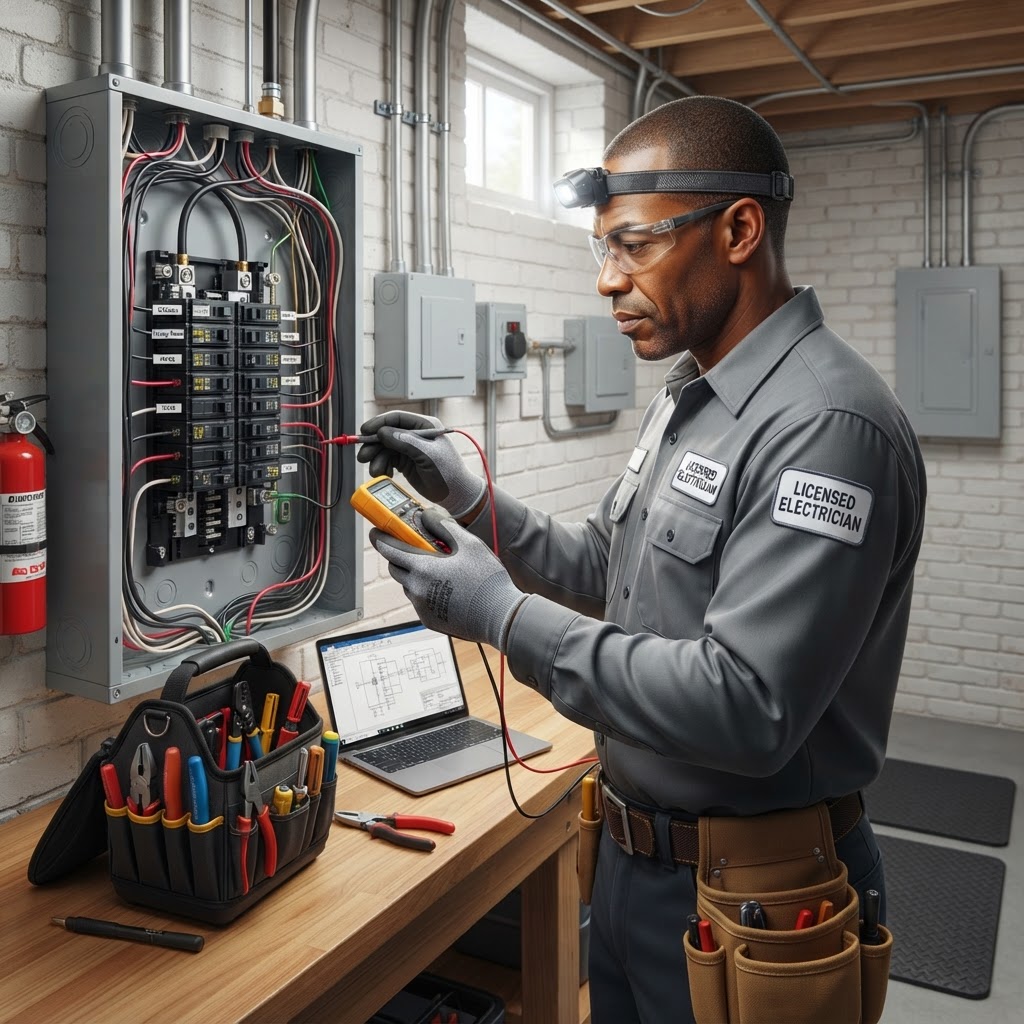
Forensic Breakdown: Hiring Baltimore Electrical Contractors
Is your contractor actually licensed for Baltimore, or are they just a 'handyman' flirting with disaster?
Read more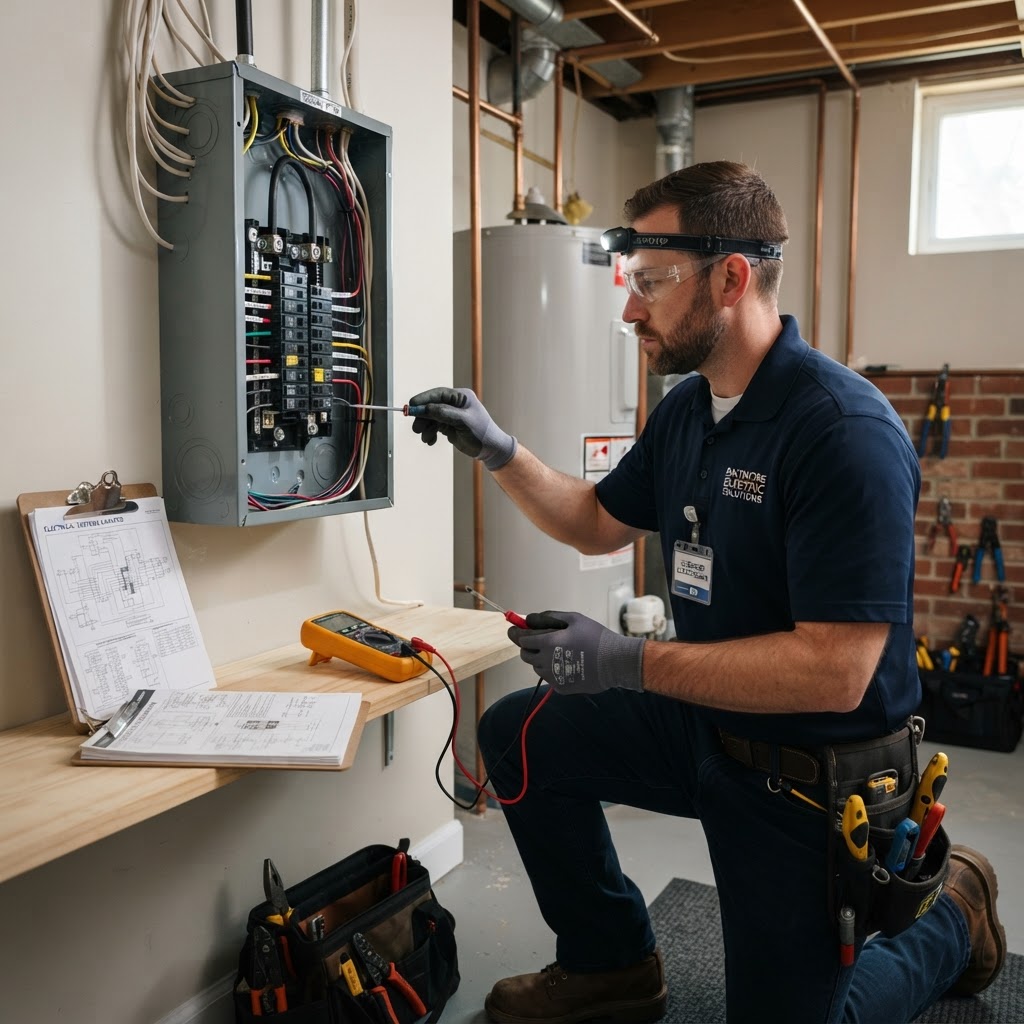
Service-Call Post-Mortem: Identifying Your Electrical Authority
Is that flickering light a simple nuisance, or are you witnessing the terminal failure of your home's infrastructure?
Read more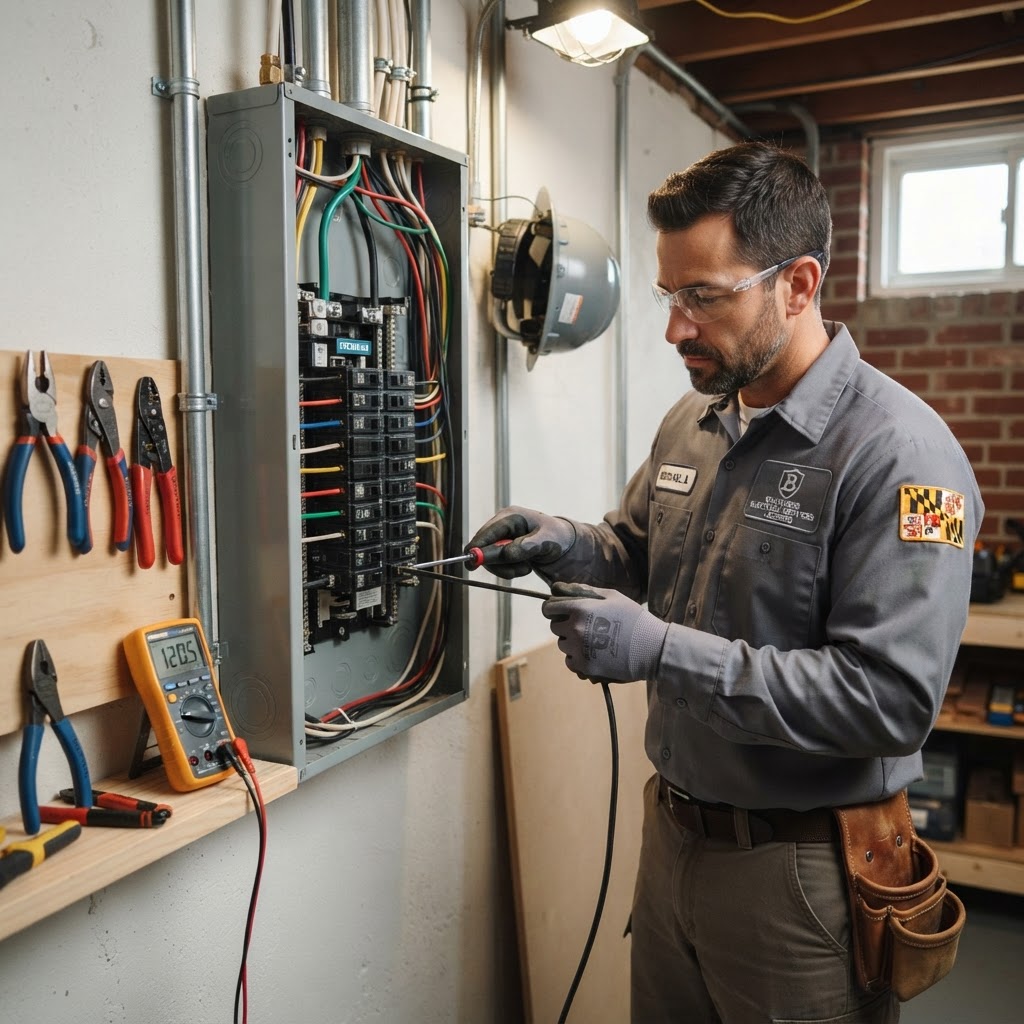
Unwritten Protocols: Identifying Licensed Baltimore Electricians
Is your technician actually qualified, or are you paying for a high-stakes experiment in your own home?
Read more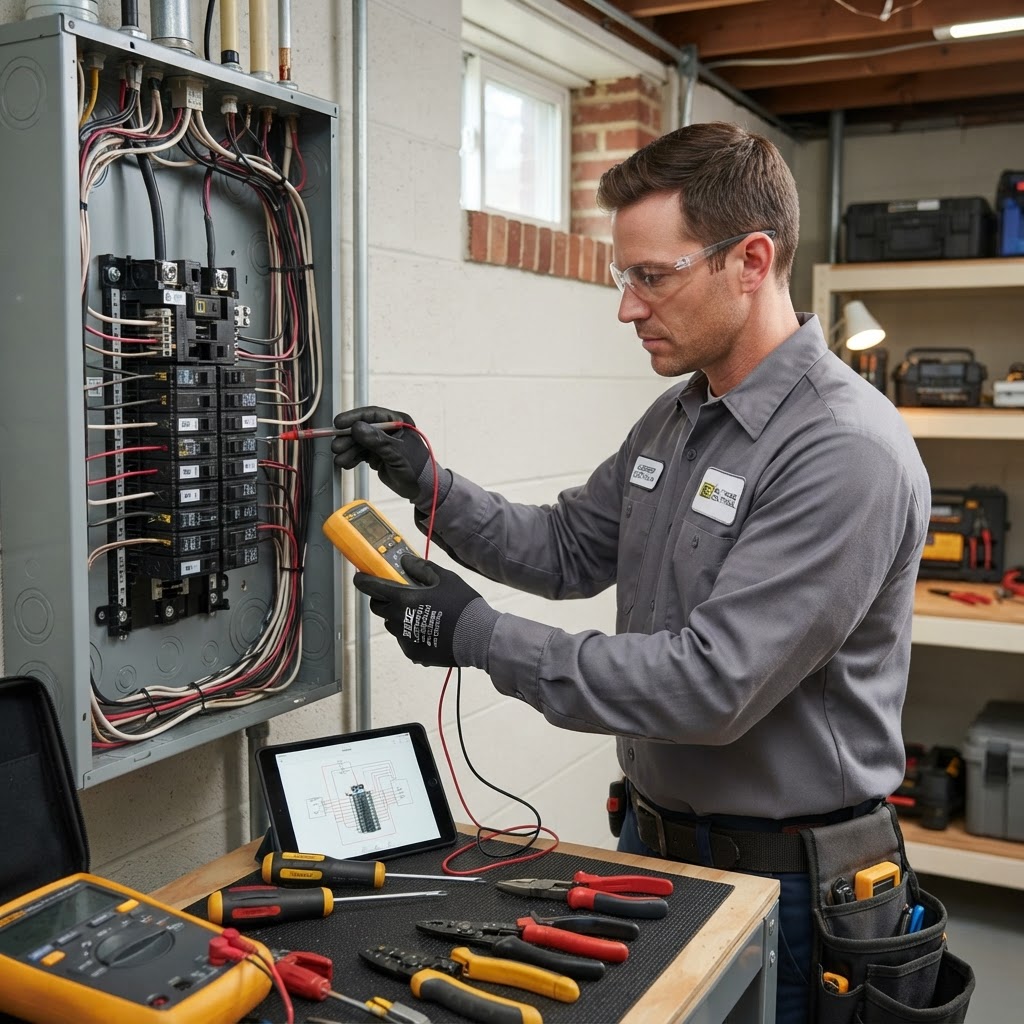
Forensic Breakdown: The Baltimore Electrical Licensing Standard
Are you hiring a professional or inviting a liability into your Baltimore home?
Read more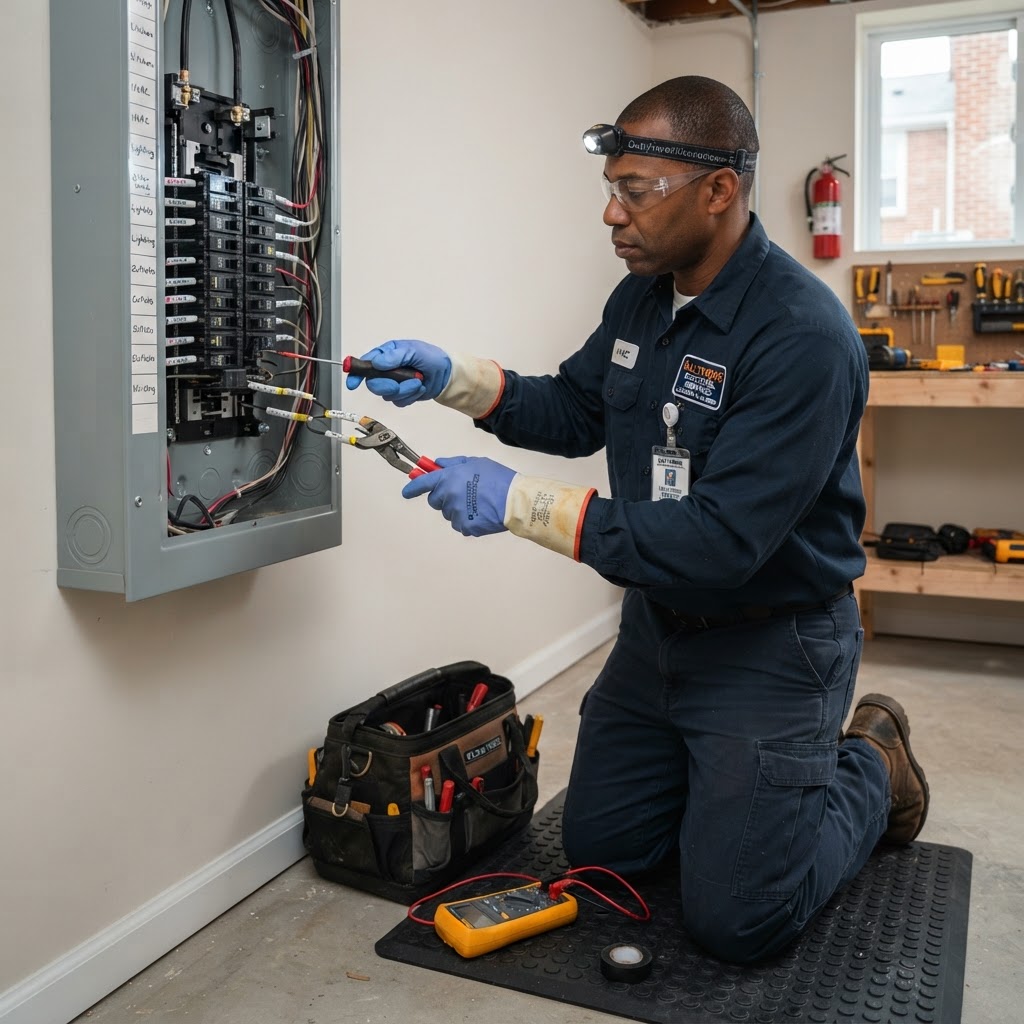
Unwritten Protocols: Identifying Licensed Baltimore Electricians
Are you trusting your Baltimore home's safety to a certified professional or a ghost in the machine?
Read more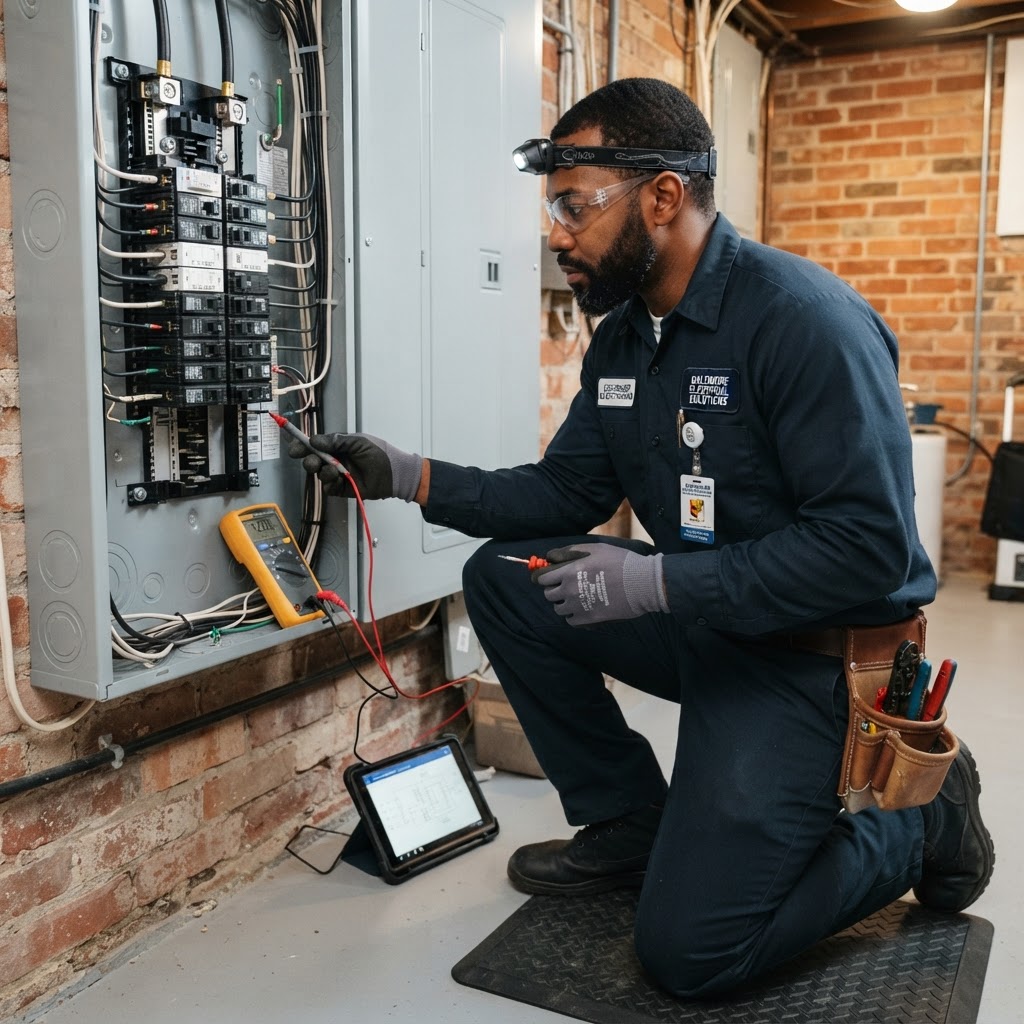
Forensic Breakdown: Evaluating Baltimore Electrical Credentials
Is the contractor standing in your living room actually qualified to keep your home from catching fire?
Read more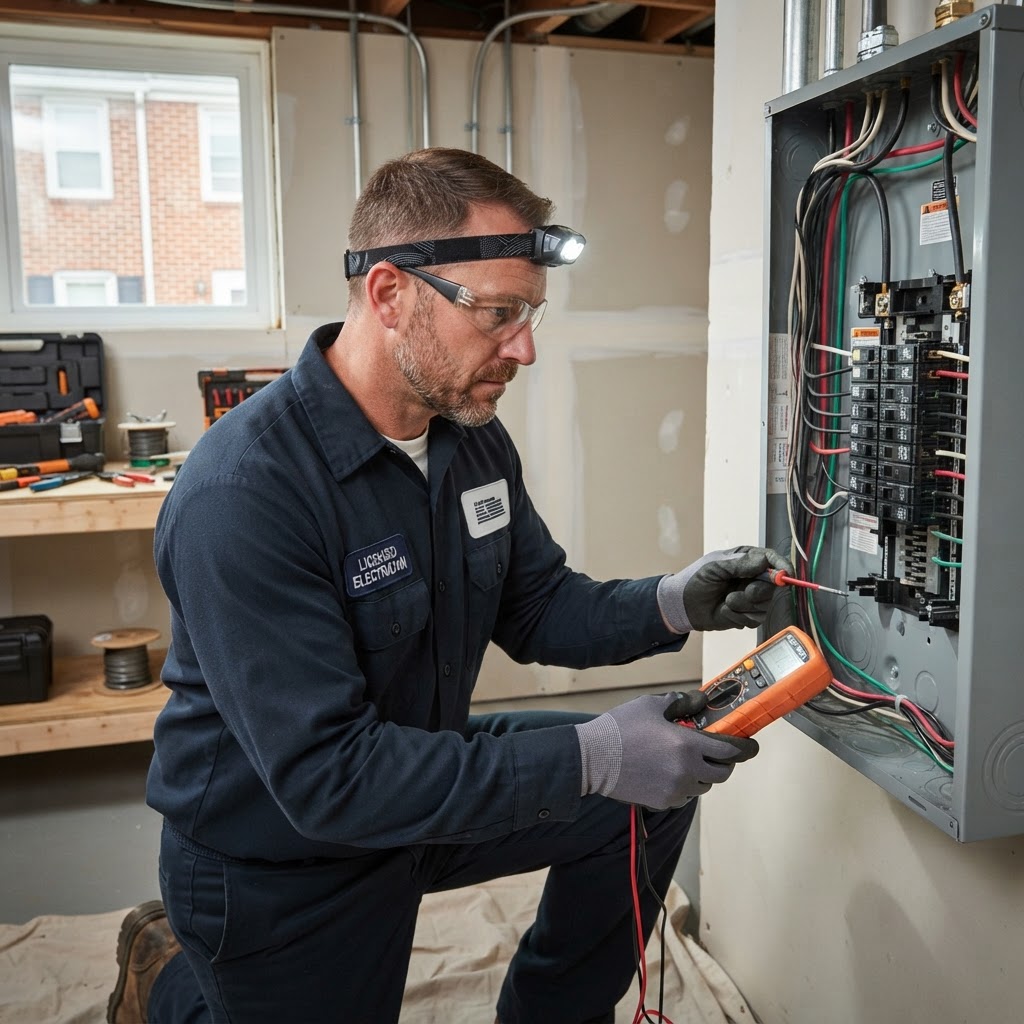
Bidding Blind Spots: The Search for Affordable Baltimore Electricians
Is the lowest bid on your electrical repair hiding a catastrophic code violation waiting to spark?
Read more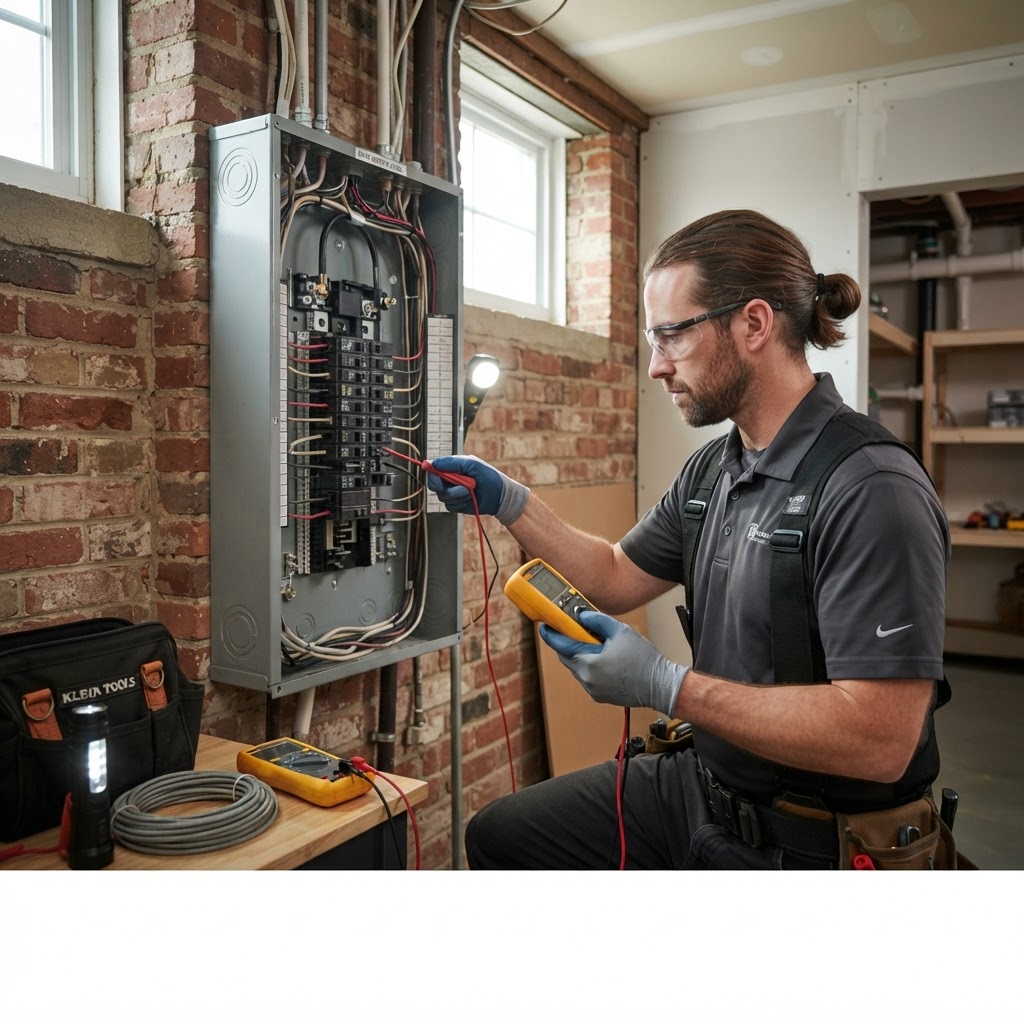
Forensic Breakdown: The Professional Baltimore Electrical Standard
Is that flicker in your hallway a minor annoyance or a code-violating symptom of a failing system?
Read more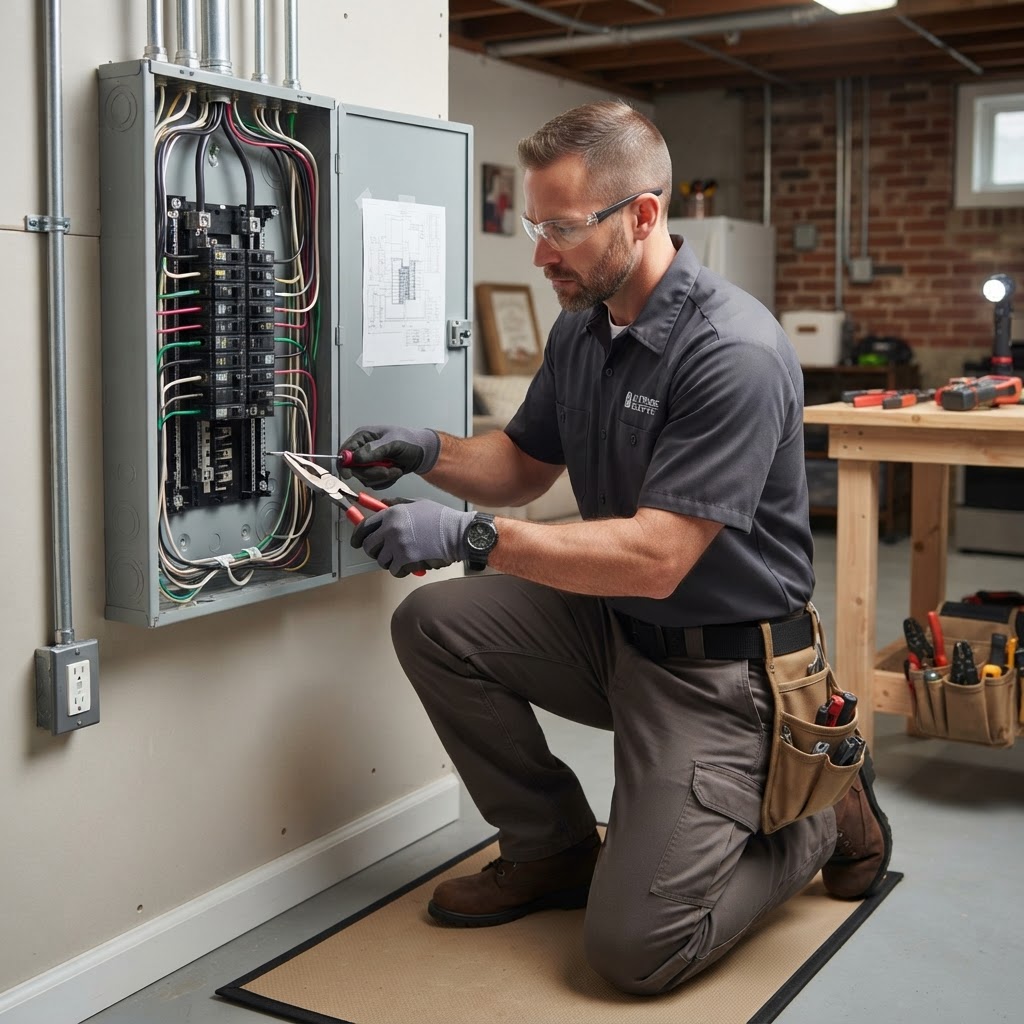
Operational Blueprints: Selecting a Baltimore Residential Electrician
Is your electrical work a code-compliant investment or a future forensic disaster waiting to happen?
Read more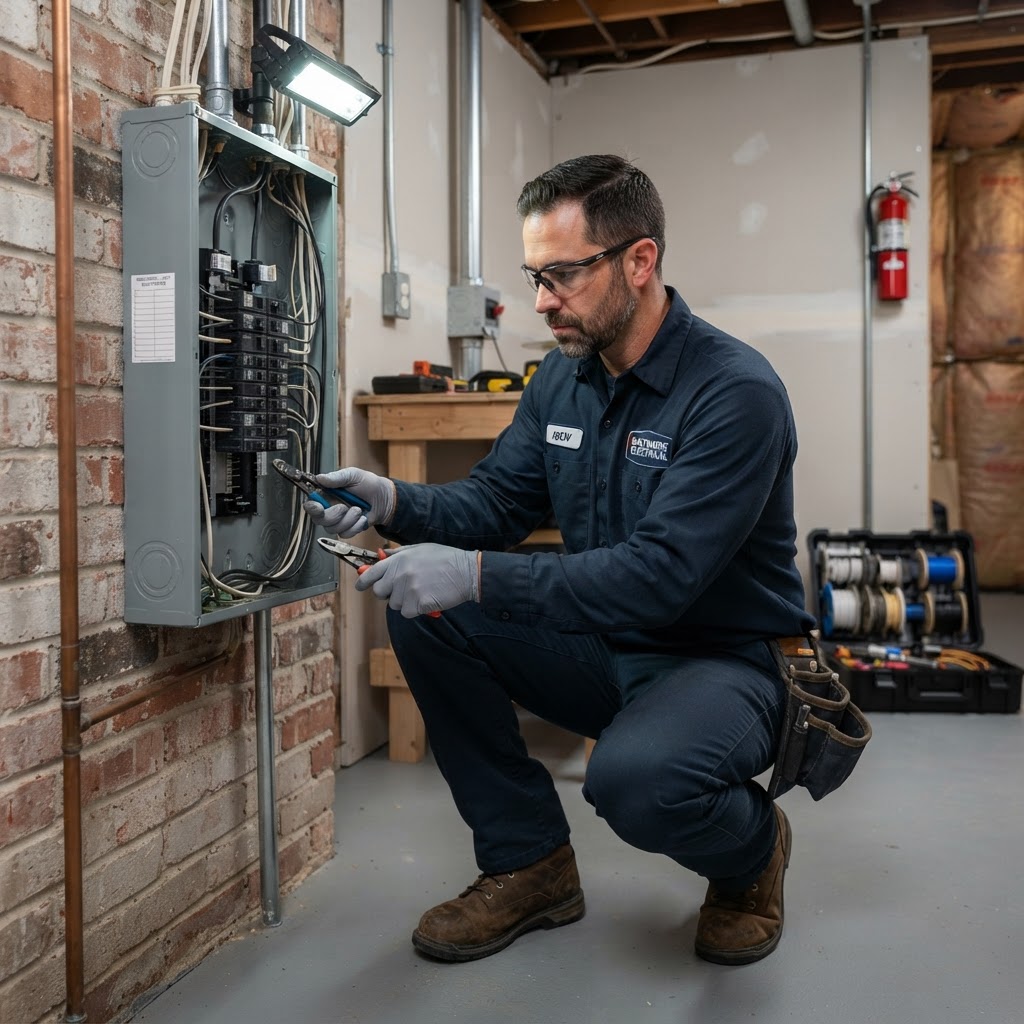
Bidding Blind Spots: The Baltimore Electrical Contractor Standard
Are you hiring a professional, or simply inviting a liability into your Baltimore property?
Read more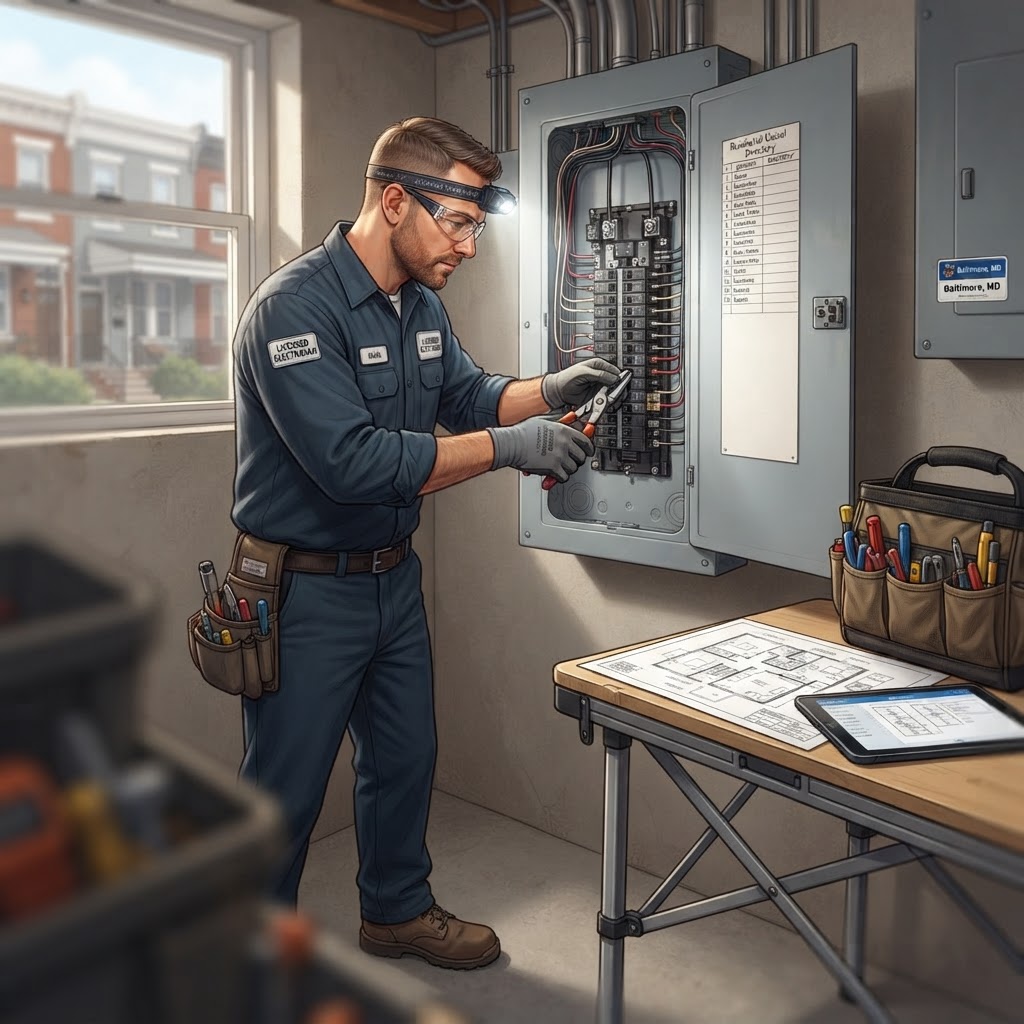
Bidding Blind Spots: Identifying Professional Baltimore Electricians
Is the electrician you're inviting into your home actually qualified, or are they just a professional gamble?
Read more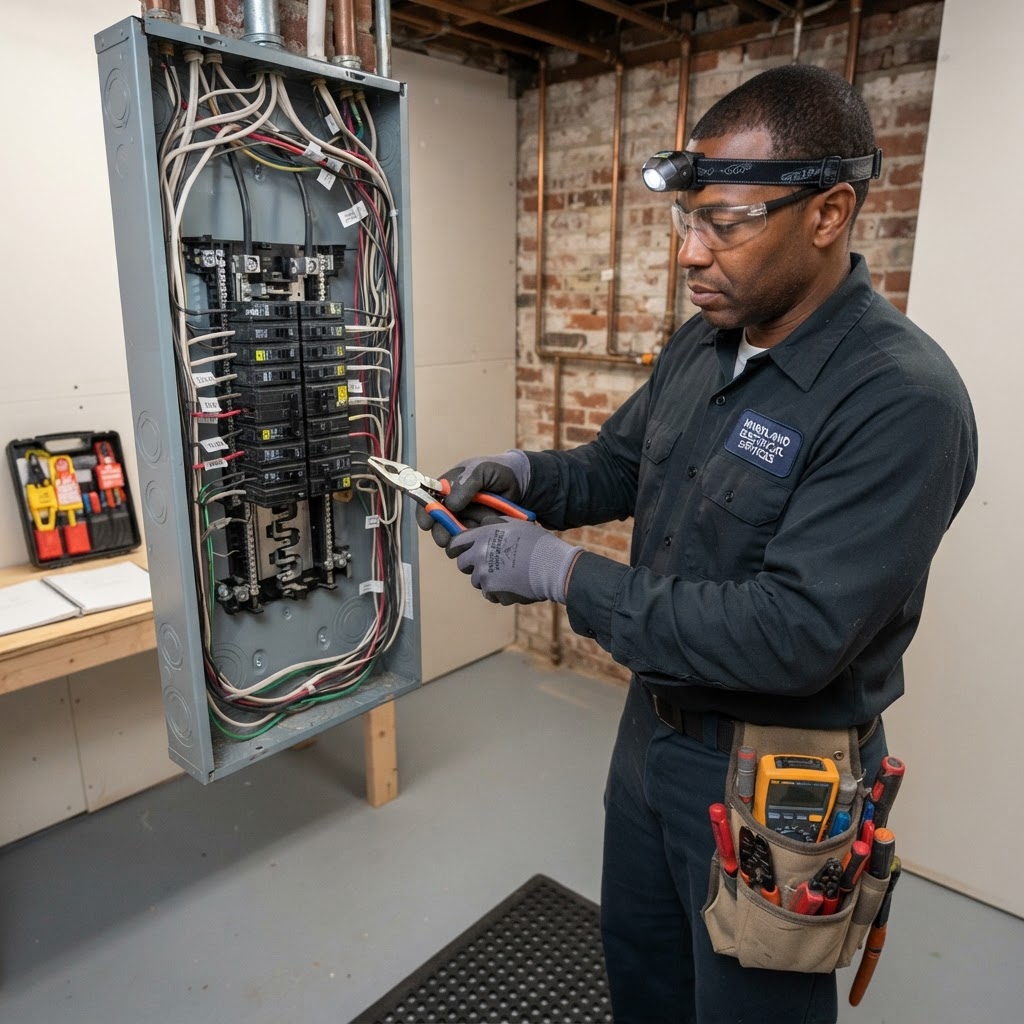
Forensic Breakdown: The Cost of Amateur Electrical Logic
Are you gambling with your home's safety by trusting unlicensed work in Baltimore?
Read more
Top 5 Signs Your House Isn't Haunted, It Just Needs an Electrician.
Flickering lights, buzzing walls, and appliances with a mind of their own — is it a ghost, or just bad wiring?
Read more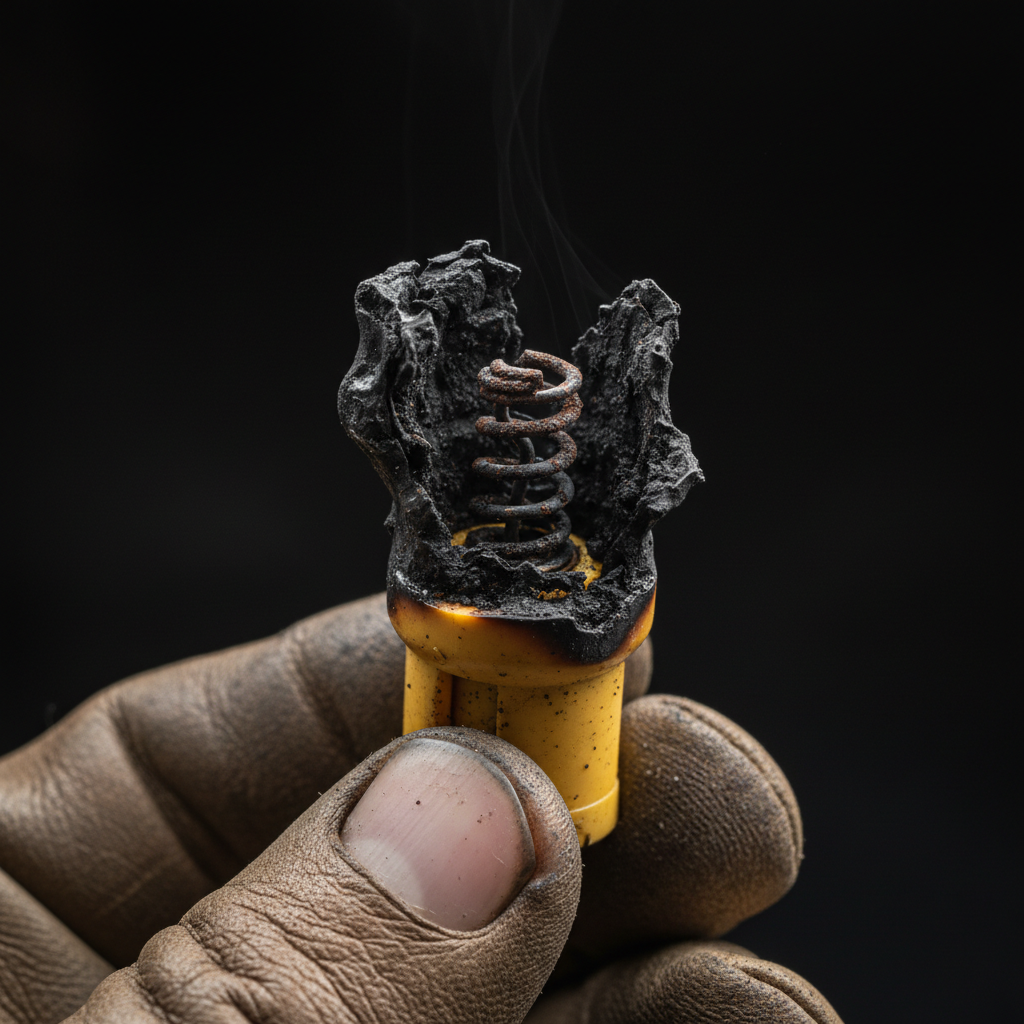
Material Forensics: Melted Wire Nuts
Why do cheap electrical materials fail when you need them most?
Read more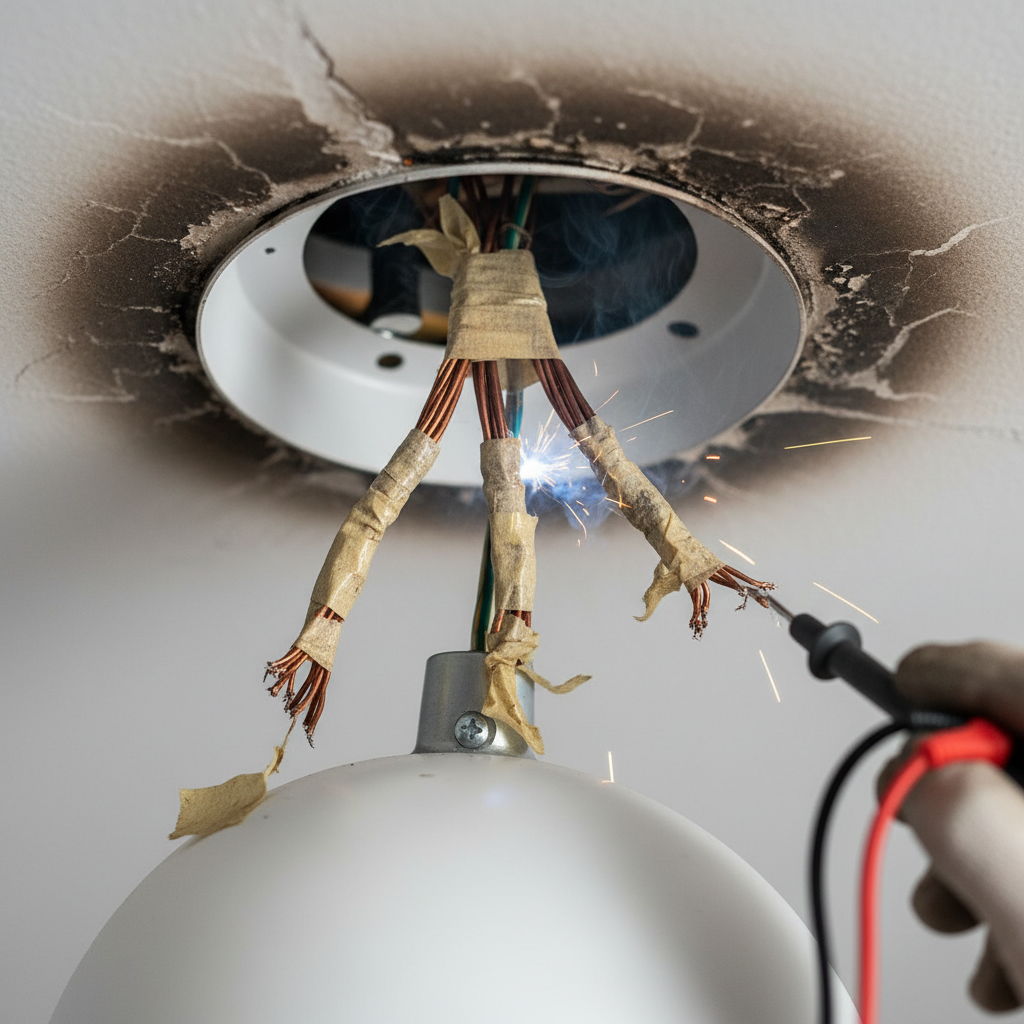
Punch-List Disasters: DIY Wiring Fails
Are you ignoring a dangerous DIY electrical fail hiding in your ceiling?
Read more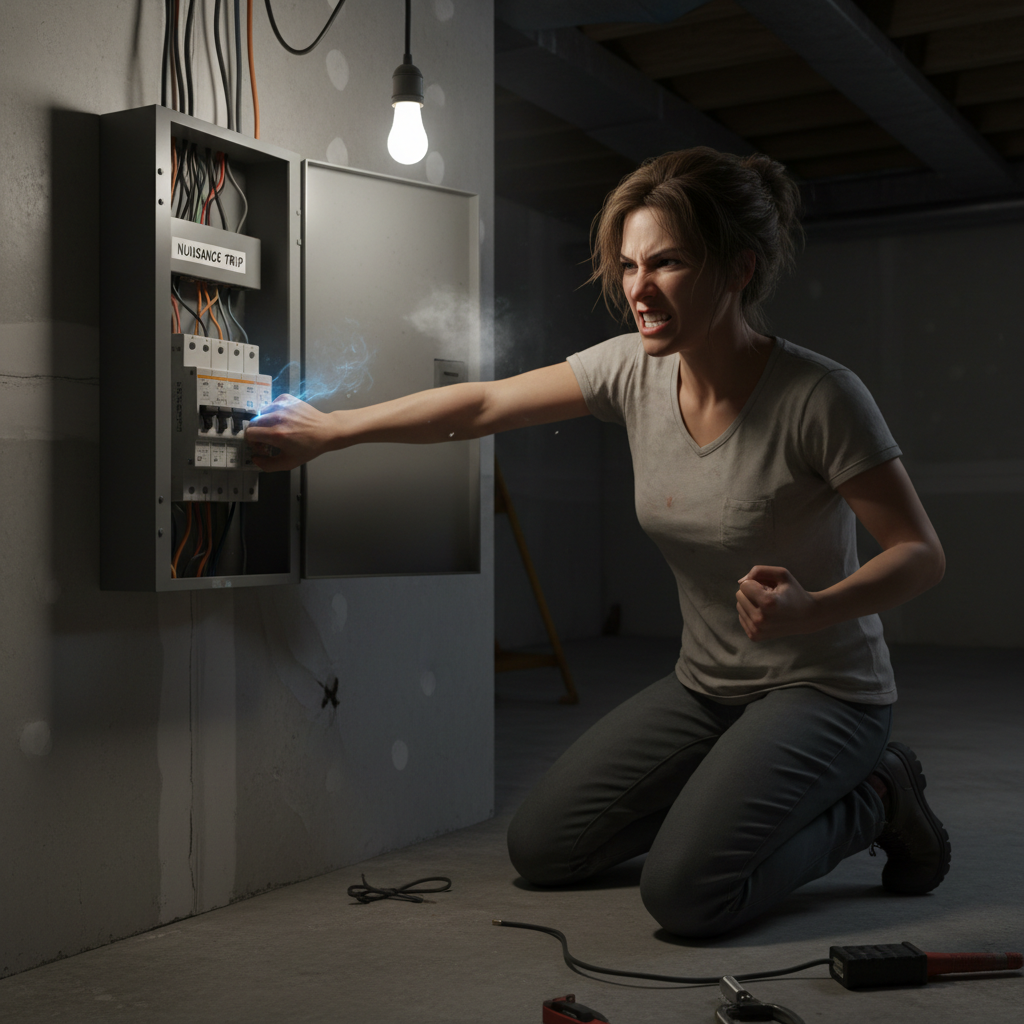
Unwritten Protocols: AFCI Nuisance Tripping
Why does your bedroom breaker keep tripping for absolutely no reason?
Read more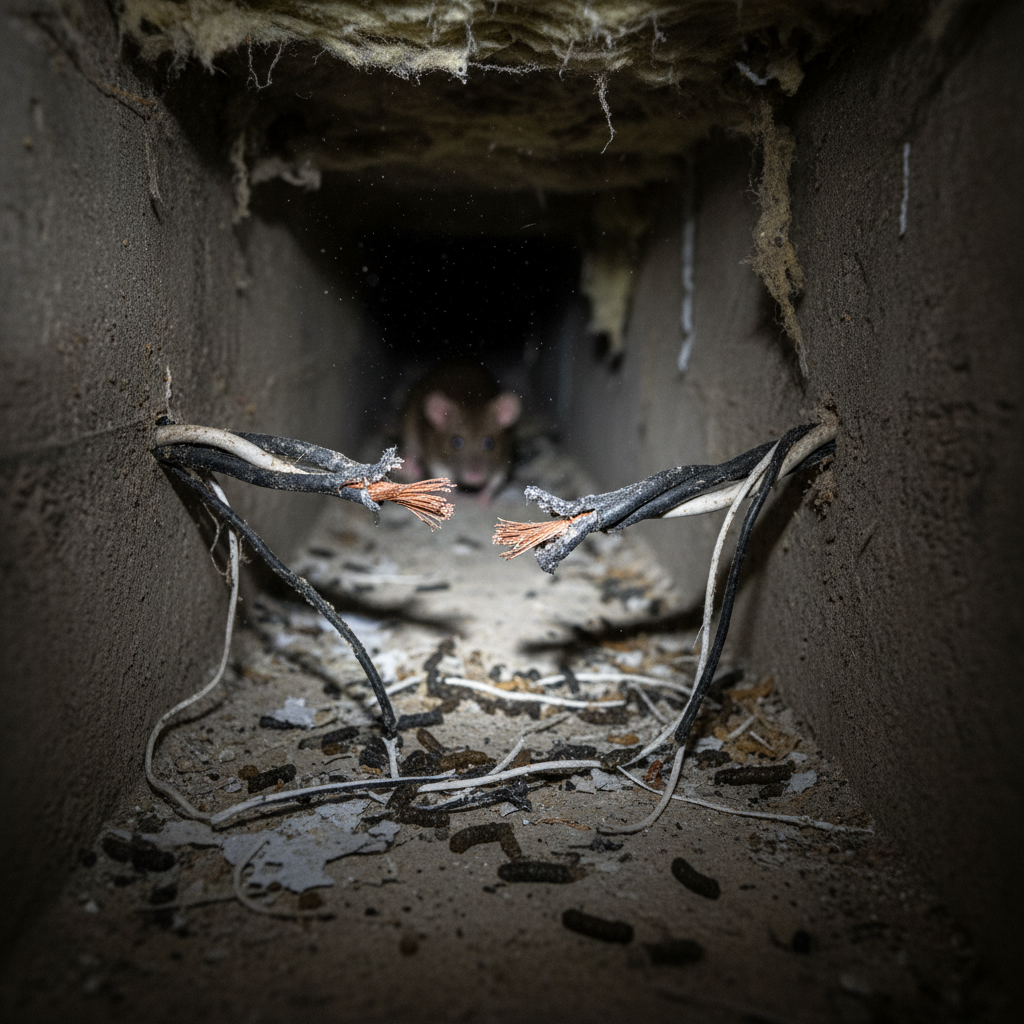
Trench Lore: Rodent Chewed Wires
What is living in your crawlspace and eating your electrical system?
Read moreDecrypted Logs: The Open Neutral
Why are your lights flashing randomly and burning out appliances?
Read more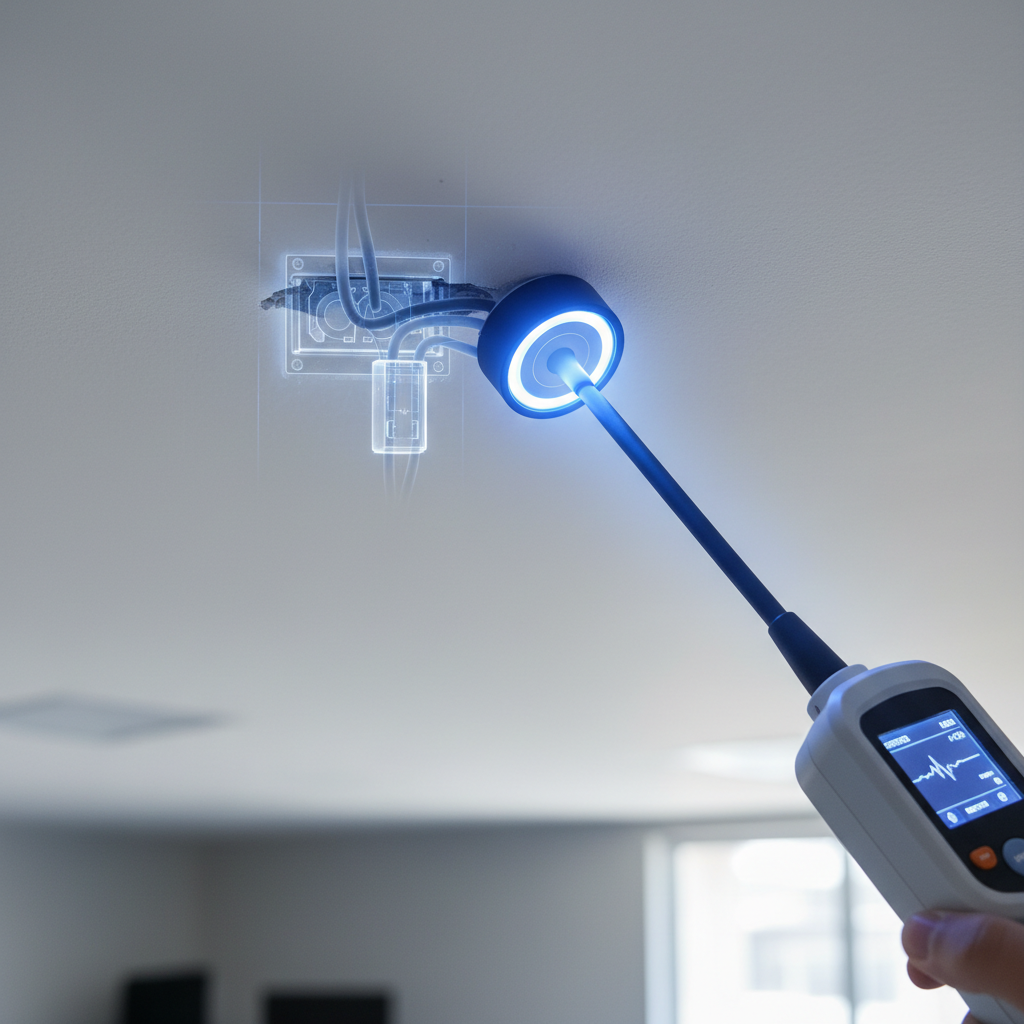
As-Built Anomalies: Buried Junction Boxes
What are flippers hiding behind your newly finished drywall?
Read more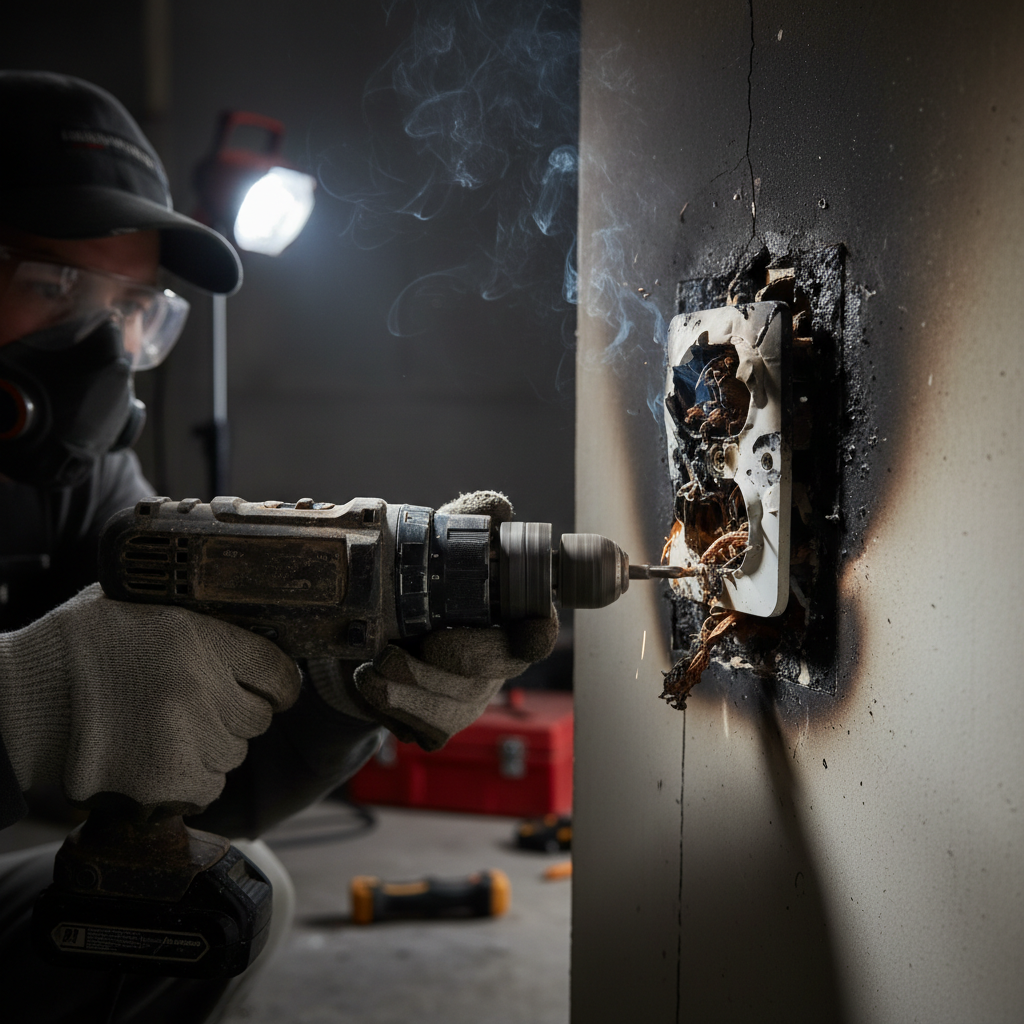
Service-Call Post-Mortem: Backstabbed Outlets
Why do your outlets stop working suddenly with no tripped breaker?
Read moreWhat this topic covers
Flickering or Dimming Lights
Flickering lights can mean several different things depending on the pattern. If one bulb flickers, it's often a loose connection at the fixture or a failing bulb. If lights dim across a whole room when a major appliance starts, that's usually a voltage drop caused by a shared circuit or a loose connection somewhere upstream. If flickering happens house-wide, it can point to a problem at the service panel or even the utility connection, which is a different scale of issue entirely. Our article on the overloaded electrical panel (/articles/forensic-breakdown-the-overloaded-electrical-panel) explains how panel capacity issues show up as lighting symptoms before they show up as anything more obvious.
Tripping or Frequently Blown Breakers
A breaker that trips once during a storm or after plugging in a space heater is usually just doing its job. A breaker that trips repeatedly on the same circuit, or one that trips within seconds of being reset, is telling you something is wrong with that circuit or with the load you're asking it to carry. Frequent trips across multiple circuits can also be a sign the panel itself is undersized for the home's current electrical demand. If you're trying to figure out whether your panel has outgrown your household, the overloaded electrical panel article (/articles/forensic-breakdown-the-overloaded-electrical-panel) is a good starting point before scheduling an inspection.
Buzzing, Warm, or Dead Outlets and Switches
A buzzing sound from an outlet or switch, a cover plate that's warm to the touch, or an outlet that simply stopped working are all signs worth paying attention to. Warmth and buzzing usually point to a loose connection or a wiring problem behind the wall, which isn't something to troubleshoot by opening up the device yourself. A dead outlet on its own might just be a tripped GFCI somewhere else on the same circuit, but if resetting that doesn't fix it, it's time to have a licensed electrician take a look rather than guessing.
Burning Smells and Sparking
A burning smell with no clear source, or visible sparking from an outlet, switch, or appliance cord, is one of the few electrical signs that calls for immediate action: shut off power to the affected circuit at the panel if you can do so safely, unplug the device if it's safe to touch, and call a licensed electrician right away. These symptoms can indicate overheated wiring, a failing connection, or an arcing fault, and they're not something to wait on. Don't attempt to open the panel or trace the wiring yourself; this is exactly the kind of situation where hiring the right professional matters. If you're not sure how to vet an electrician quickly in an urgent situation, our guide on identifying licensed Baltimore electricians (/articles/unwritten-protocols-identifying-licensed-baltimore-electricians-2026-09-29) covers what credentials and license numbers to ask for.
Partial Power Loss and Intermittent Problems
Losing power to part of a room, a single floor, or specific outlets while the rest of the house works fine is a common and confusing symptom. It can stem from a tripped breaker you haven't located yet, a failed connection at an outlet further back in the circuit, or a problem with how the home's electrical system was originally wired. Intermittent problems, ones that come and go or only happen under certain conditions, are often the hardest to diagnose over the phone and usually require an electrician to physically test the circuit. Understanding who has authority over diagnosing these issues in rental or multi-unit properties is covered in our piece on identifying your electrical authority (/articles/service-call-post-mortem-identifying-your-electrical-authority).
Knowing When to Call a Professional
Not every electrical quirk requires a service call, but many of the symptoms above do. The challenge for most homeowners is figuring out who to call and how to evaluate whether a contractor is actually qualified to do panel-level or wiring work safely. We've written several articles on this, including how to evaluate Baltimore electrical credentials (/articles/forensic-breakdown-evaluating-baltimore-electrical-credentials), how to find affordable options without cutting corners (/articles/bidding-blind-spots-the-search-for-affordable-baltimore-electricians), and a broader overview of selecting a residential electrician (/articles/operational-blueprints-selecting-a-baltimore-residential-electrician). If you want to understand Maryland's licensing requirements before you hire anyone, the Baltimore electrical licensing standard article (/articles/forensic-breakdown-the-baltimore-electrical-licensing-standard) breaks down what the license numbers and classifications actually mean.
Frequently asked questions
Is it normal for breakers to trip occasionally?
Occasional trips during high-demand moments, like running a space heater and a hair dryer on the same circuit, are generally normal. Repeated trips on the same breaker or trips that happen without an obvious cause are worth having an electrician investigate.
Should I ignore a flickering light if it's just one bulb?
A single flickering bulb is often just a loose bulb or a failing fixture connection, and it's reasonable to check that first. If flickering continues after replacing the bulb, or if it spreads to other lights, it's worth having the circuit checked.
What should I do if I smell burning but can't find the source?
Treat this as urgent. If you can safely shut off power to the affected area at your panel, do so, and call a licensed electrician right away. Don't wait to see if the smell goes away on its own.
How do I know if an outlet problem is serious?
Warmth, buzzing, discoloration around the outlet, or a burning smell are all signs that go beyond a simple dead outlet and should be looked at by a licensed electrician rather than troubleshot on your own.
Can an overloaded panel cause flickering lights and frequent trips at the same time?
Yes. A panel that's carrying more load than it was designed for can produce both symptoms, sometimes on different circuits at different times, which is part of why panel capacity issues are often misdiagnosed as isolated problems.